Backyard birds by state
Backyard birds of Virginia
The birds that visit feeders in Virginia, when they come and what they eat – counted from 21.5 million bird sightings reported across Virginia from 2019 to 2024.
- 31year-round residents
- 8winter visitors
- 5summer visitors
All year
Year-round backyard birds in Virginia
These birds are reported in every season. Most of them will use a seed or suet feeder in any month.
-
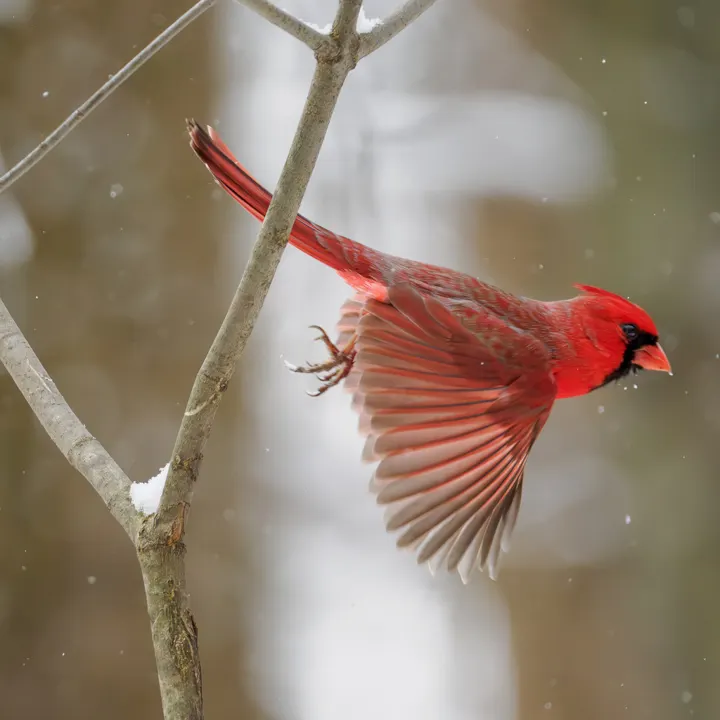
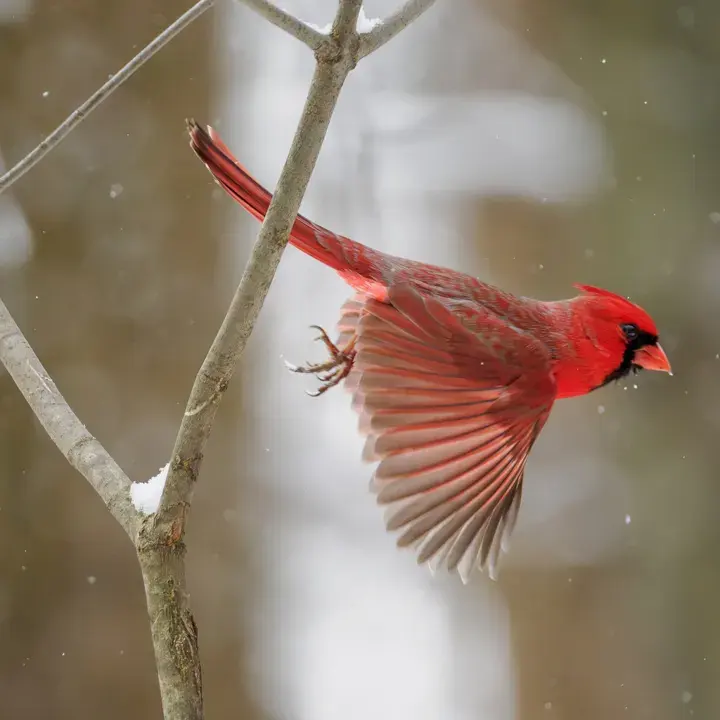
Northern Cardinal
Everyday visitor · most common in FebruaryEats: black oil sunflower, safflower
Photo: Michael / iNaturalist, CC BY
-
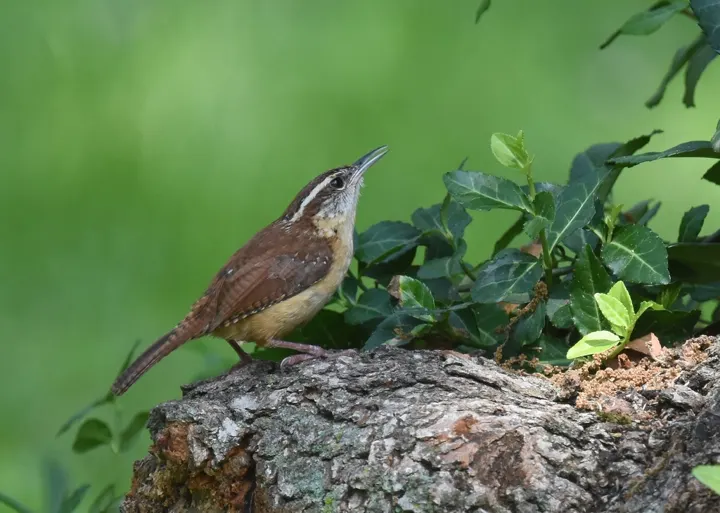
Carolina Wren
Everyday visitor · most common in AugustEats: suet, mealworms
Photo: iNaturalist, CC0
-
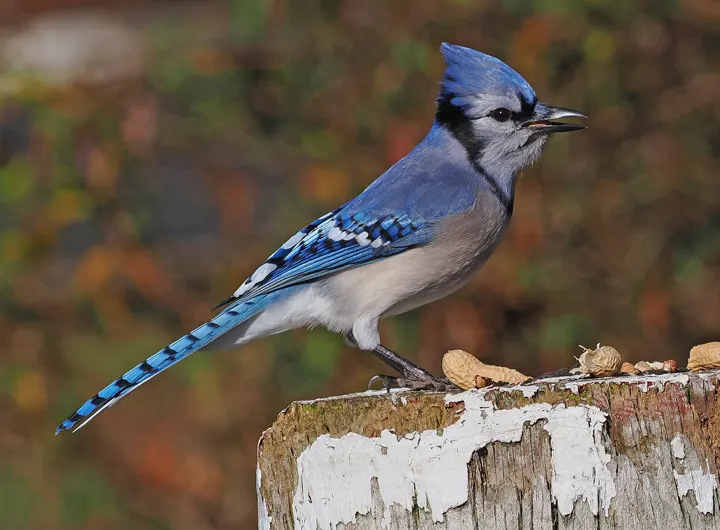
Blue Jay
Everyday visitor · most common in OctoberEats: peanuts, sunflower, corn
Photo: Judy Gallagher / iNaturalist, CC BY
-
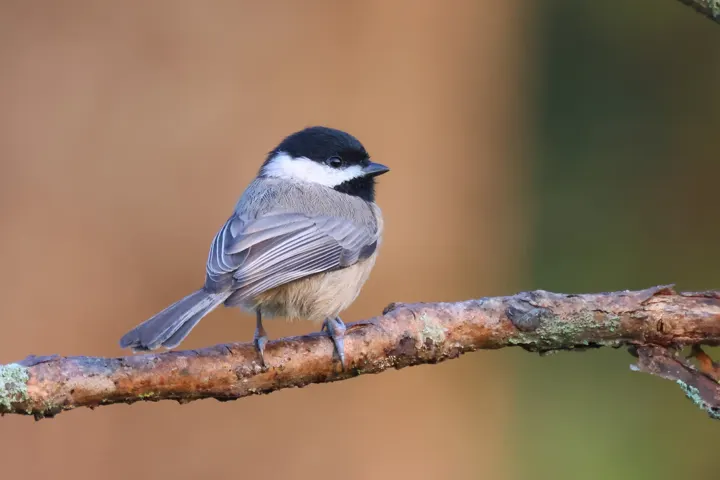
Carolina Chickadee
Everyday visitor · most common in DecemberEats: sunflower hearts, suet
Photo: iNaturalist, CC0
-
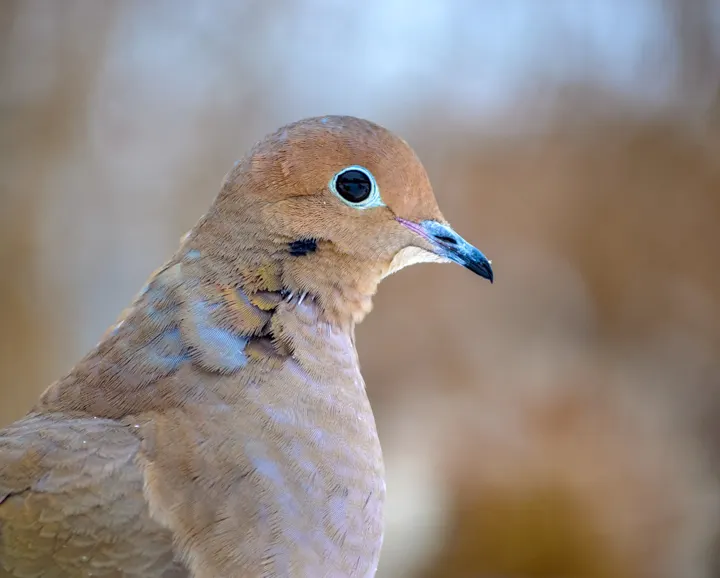
Mourning Dove
Everyday visitor · most common in AugustEats: millet, cracked corn, sunflower
Photo: Timothy Lindsey / iNaturalist, CC BY
-
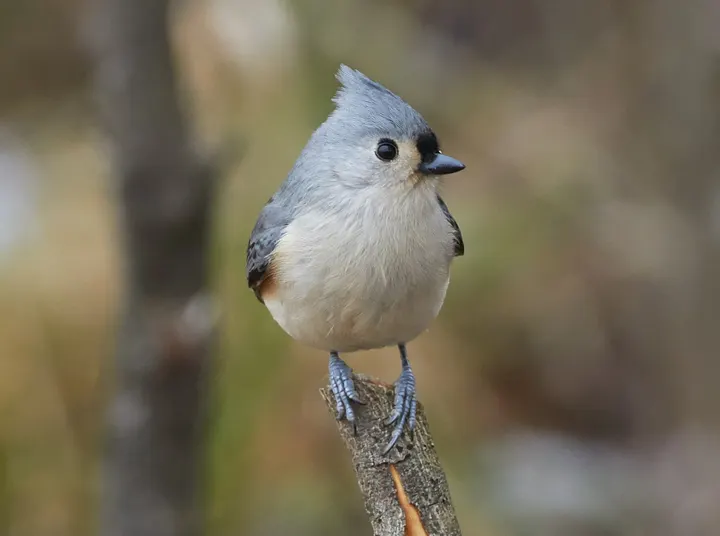
Tufted Titmouse
Everyday visitor · most common in FebruaryEats: sunflower, peanuts, suet
Photo: iNaturalist, CC0
-
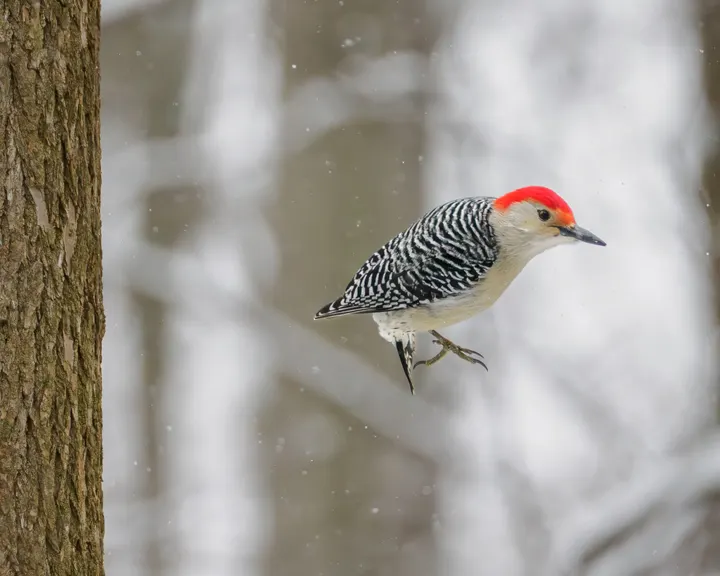
Red-bellied Woodpecker
Everyday visitor · most common in OctoberEats: suet, peanuts, sunflower
Photo: Michael / iNaturalist, CC BY
-
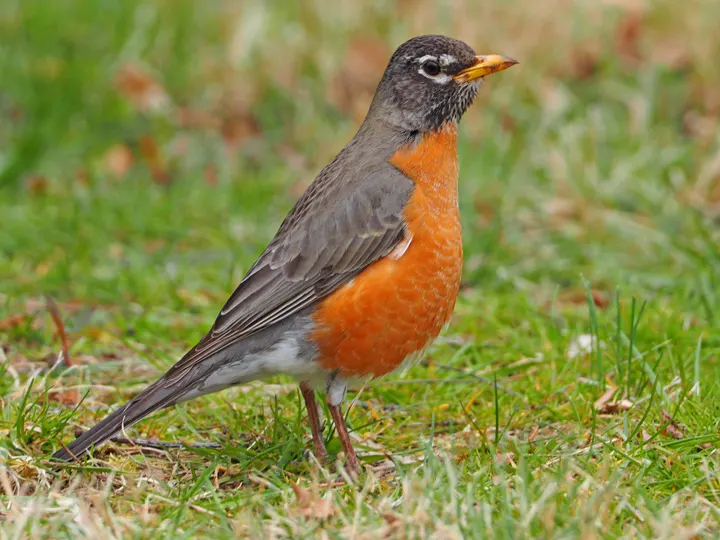
American Robin
Everyday visitor · most common in MarchEats: fruit, mealworms
Photo: Judy Gallagher / iNaturalist, CC BY
-
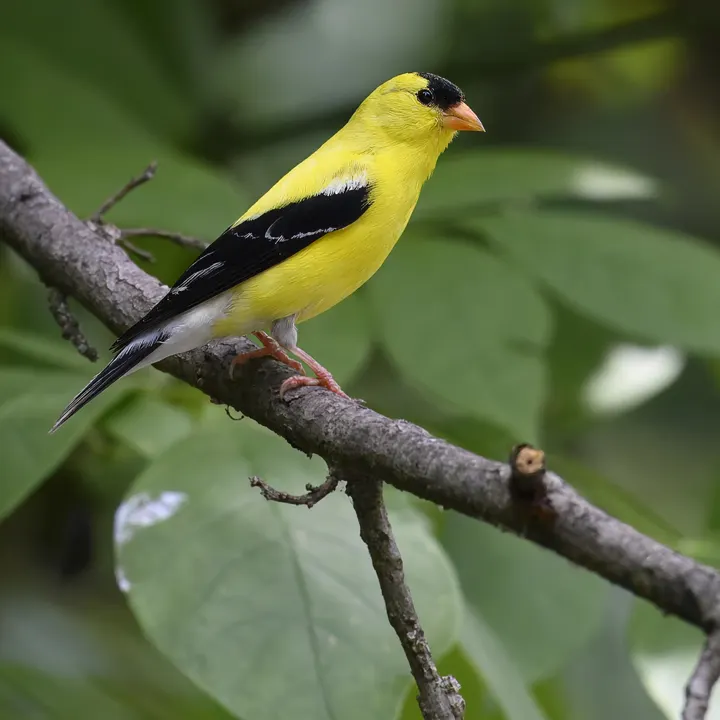
American Goldfinch
Everyday visitor · most common in AugustEats: nyjer, sunflower hearts
Photo: lwolfartist / iNaturalist, CC BY
-
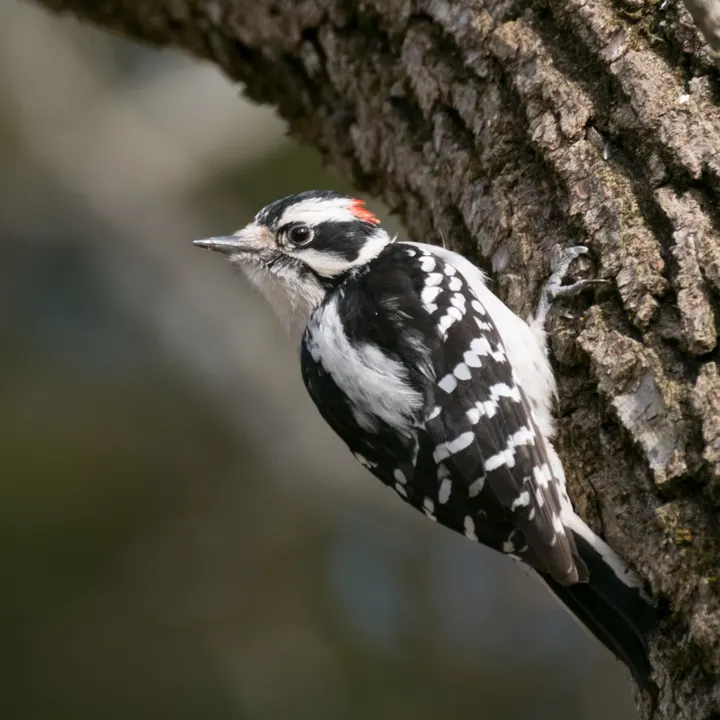
Downy Woodpecker
Everyday visitor · most common in DecemberEats: suet, peanuts
Photo: iNaturalist, CC0
-
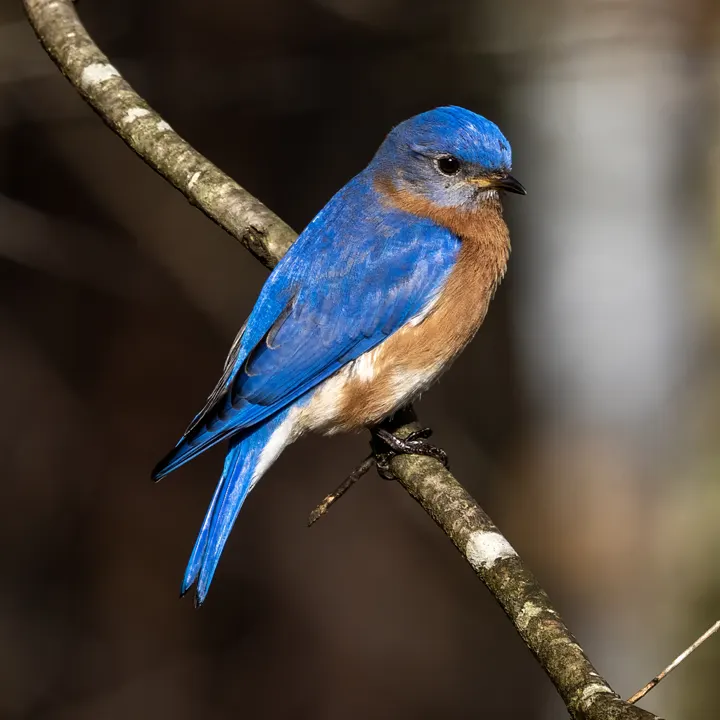
Eastern Bluebird
Everyday visitor · most common in FebruaryEats: mealworms, berries
Photo: Dan Vickers / iNaturalist, CC BY
-
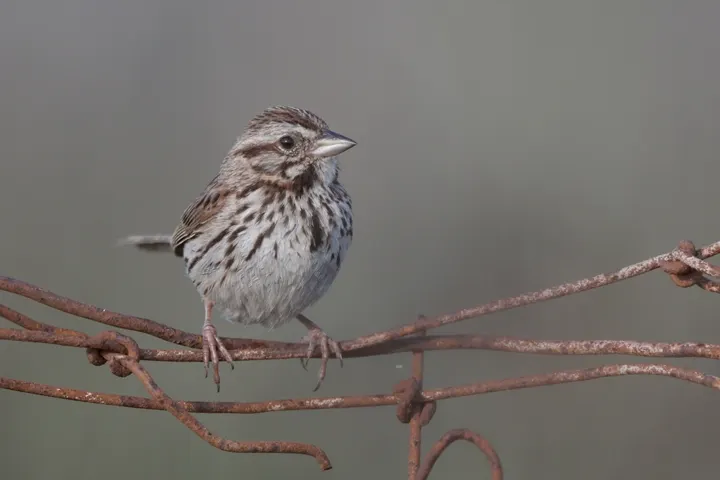
Song Sparrow
Everyday visitor · most common in MarchEats: millet, sunflower hearts
Photo: iNaturalist, CC0
Oct – Apr
Winter birds of Virginia
They arrive from the north in autumn and leave again in spring. Millet and sunflower hearts on a tray or on the ground bring most of them in.
-
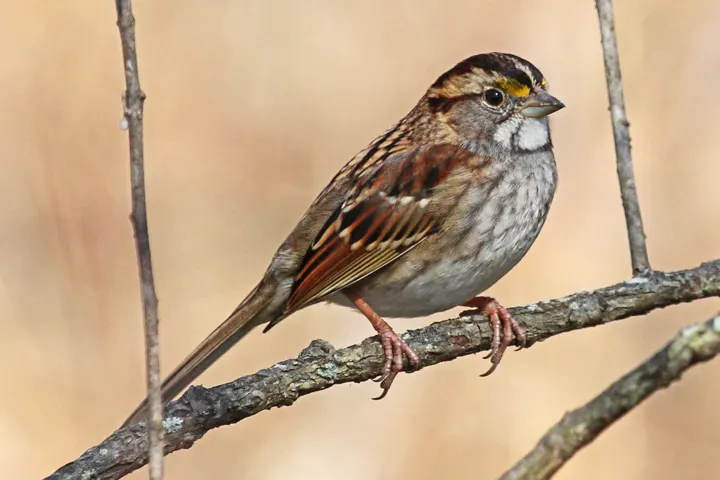
White-throated Sparrow
Everyday visitor · most common in DecemberEats: millet, sunflower hearts
Photo: Judy Gallagher / iNaturalist, CC BY
-
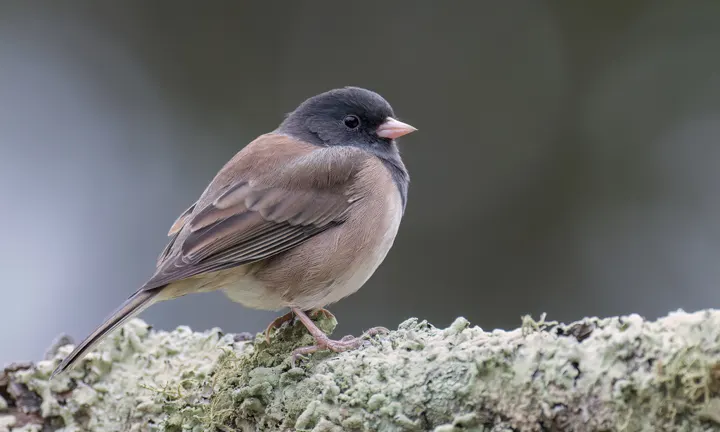
Dark-eyed Junco
Regular visitor · most common in FebruaryEats: millet, sunflower hearts
Photo: Becky Matsubara / iNaturalist, CC BY
-
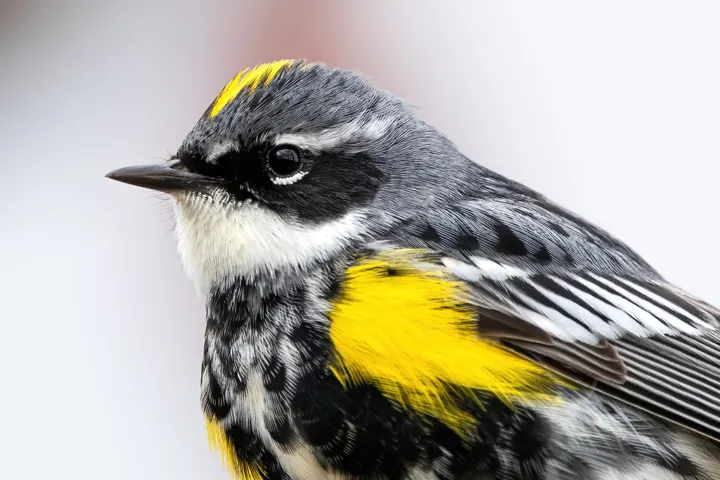
Yellow-rumped Warbler
Regular visitor · most common in OctoberEats: suet, mealworms
Photo: Willem Span / iNaturalist, CC BY
-
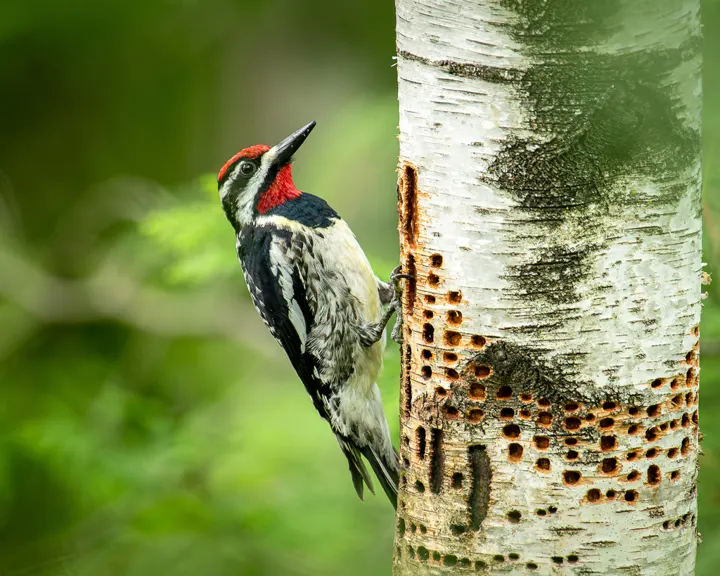
Yellow-bellied Sapsucker
Regular visitor · most common in DecemberEats: suet, tree sap
Photo: Martin Tremblay / iNaturalist, CC BY
-
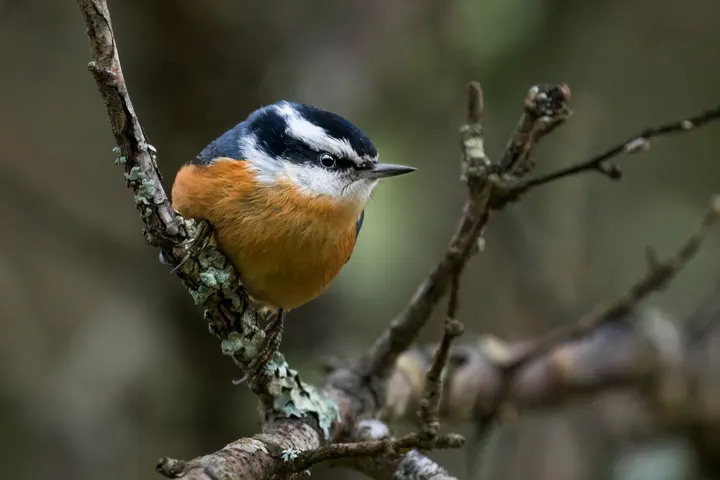
Red-breasted Nuthatch
Occasional visitor · most common in OctoberEats: sunflower hearts, suet
Photo: Matt Felperin / iNaturalist, CC BY
-
-
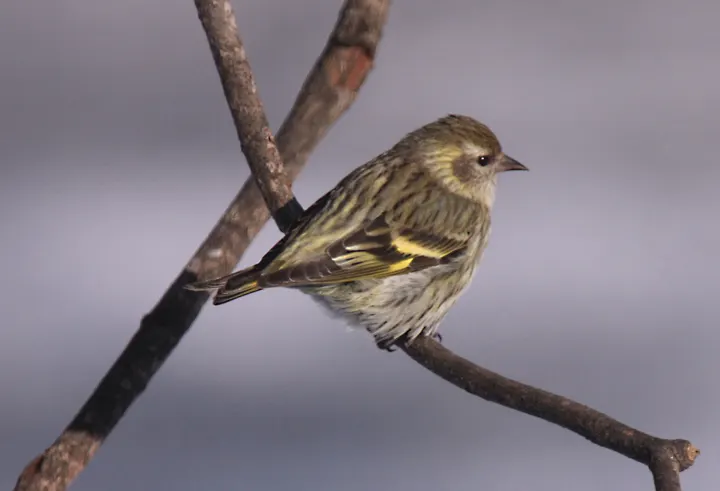
Pine Siskin
Occasional visitor · most common in NovemberEats: nyjer, sunflower hearts
Photo: fishhawk / iNaturalist, CC BY
-
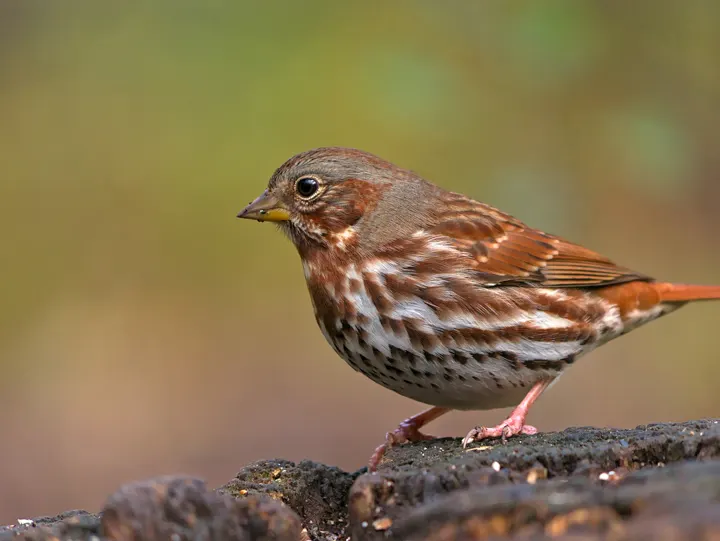
Fox Sparrow
Occasional visitor · most common in DecemberEats: millet, seed mixes, black oil sunflower
Photo: Blake Ross / iNaturalist, CC BY
Apr – Oct
Summer visitors
These birds spend spring and summer in Virginia and winter further south.
-
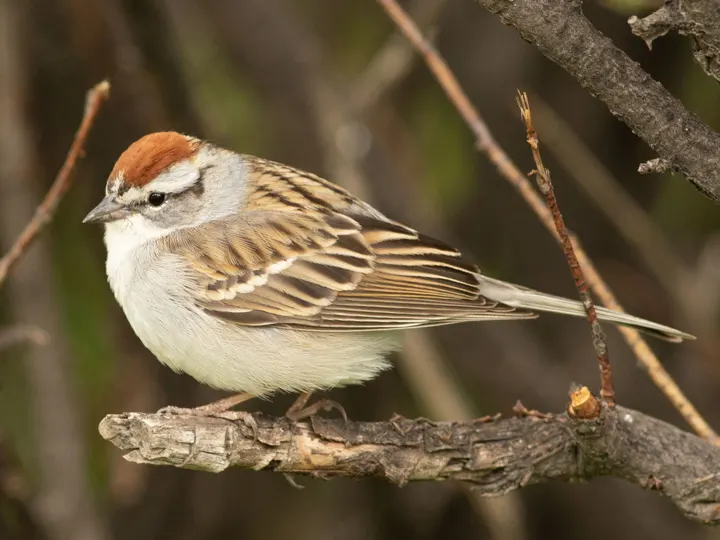
Chipping Sparrow
Regular visitor · most common in AprilEats: millet, sunflower hearts
Photo: iNaturalist, CC0
-
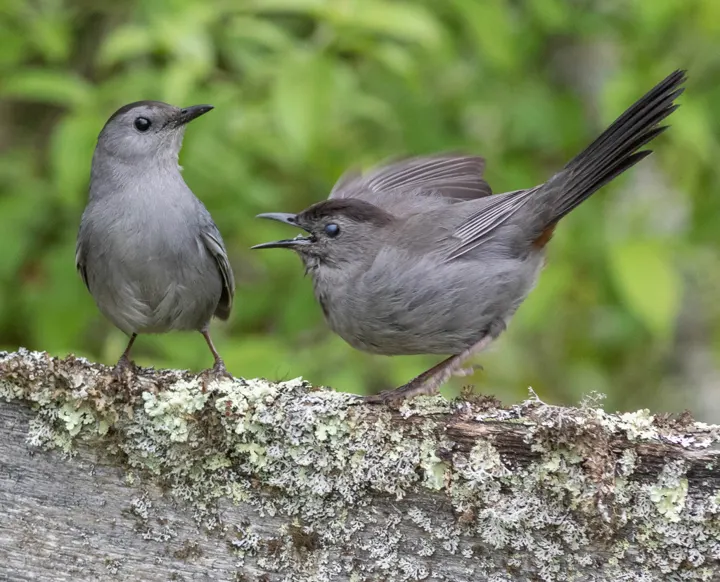
Gray Catbird
Regular visitor · most common in SeptemberEats: fruit, jelly, mealworms
Photo: kirk gardner / iNaturalist, CC BY
-
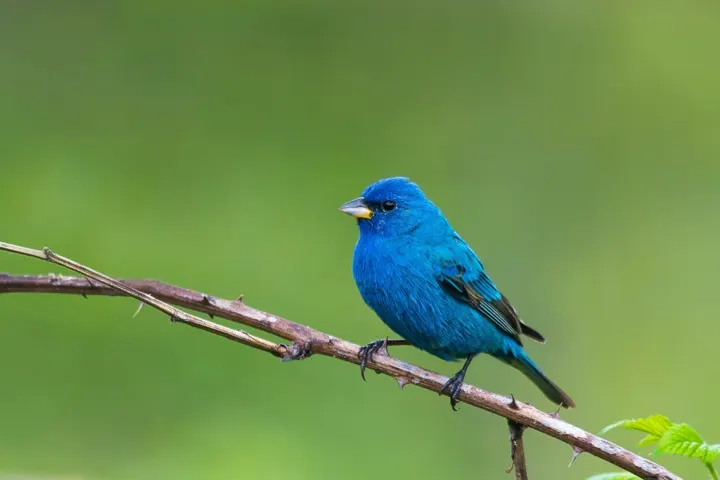
Indigo Bunting
Regular visitor · most common in JuneEats: nyjer, millet, sunflower hearts
Photo: iNaturalist, CC0
-
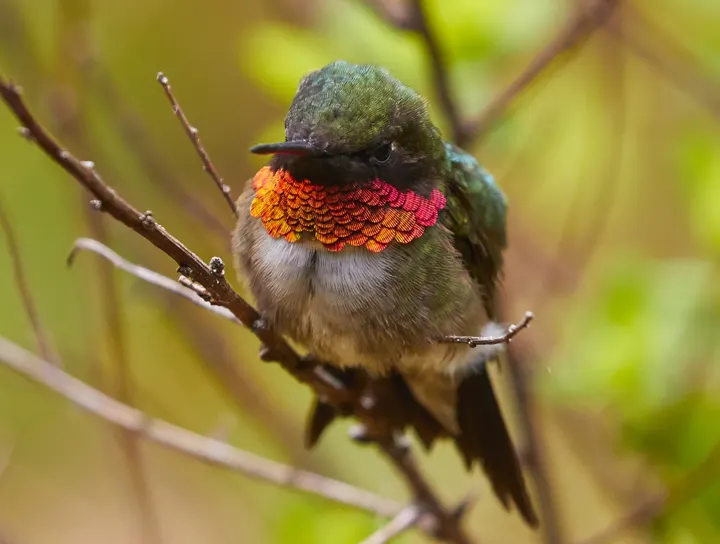
Ruby-throated Hummingbird
Regular visitor · most common in AugustEats: sugar water (1:4)
Photo: iNaturalist, CC0
-
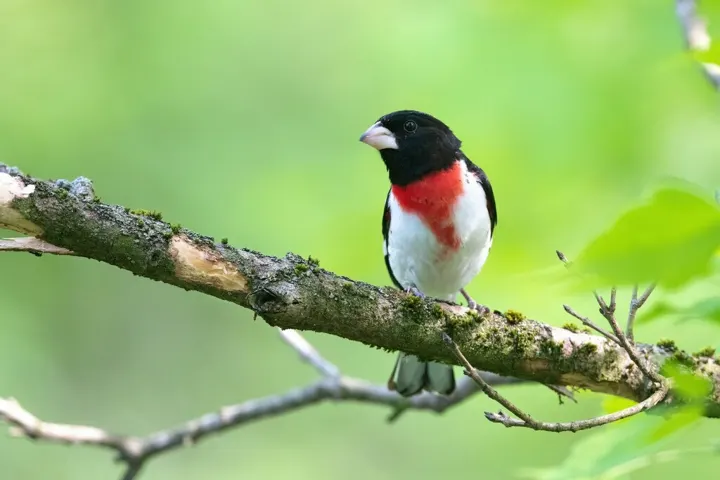
Rose-breasted Grosbeak
Occasional visitor · most common in SeptemberEats: black oil sunflower, safflower, fruit
Photo: iNaturalist, CC0
Woodpeckers
Woodpeckers in Virginia
7 woodpecker species are reported regularly in Virginia. Red-bellied Woodpecker and Downy Woodpecker are the ones most often seen. All of them come for suet – a suet cage with a tail-prop panel also works for the larger species.
-
Red-bellied Woodpecker
Everyday visitor · most common in OctoberEats: suet, peanuts, sunflower
Photo: Michael / iNaturalist, CC BY
-
Downy Woodpecker
Everyday visitor · most common in DecemberEats: suet, peanuts
Photo: iNaturalist, CC0
-
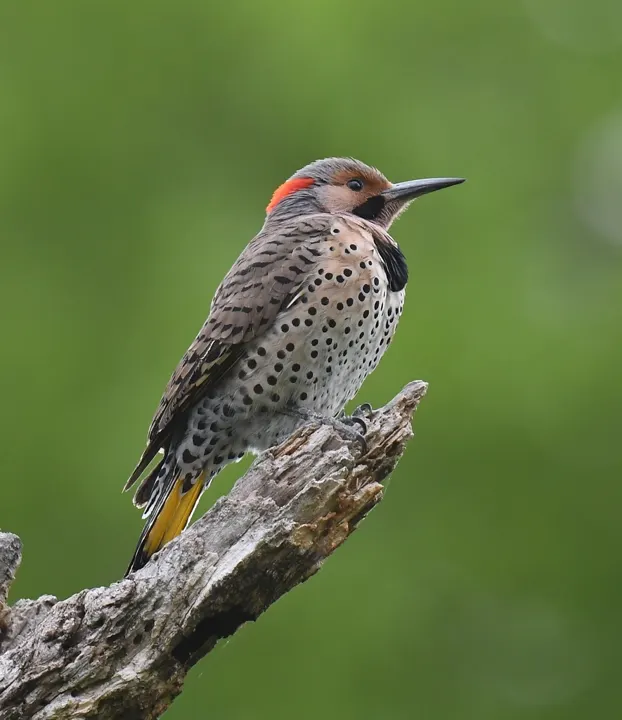
Northern Flicker
Regular visitor · most common in OctoberEats: suet, peanuts
Photo: iNaturalist, CC0
-
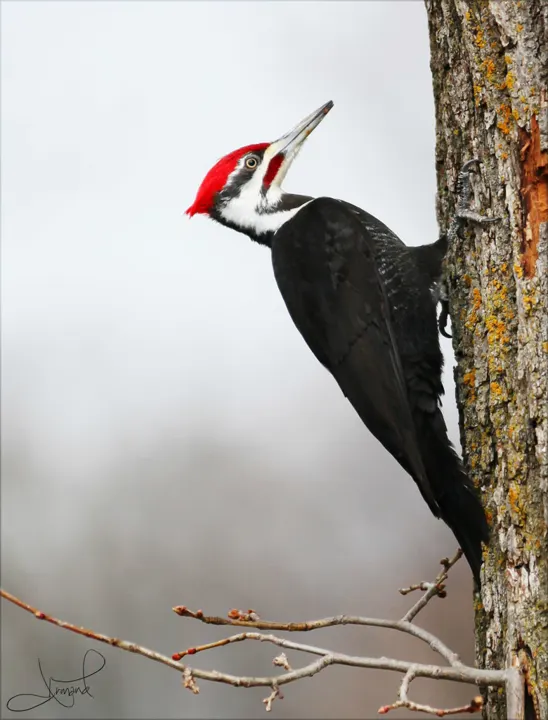
Pileated Woodpecker
Regular visitor · most common in SeptemberEats: suet
Photo: tsaiproject / iNaturalist, CC BY
-
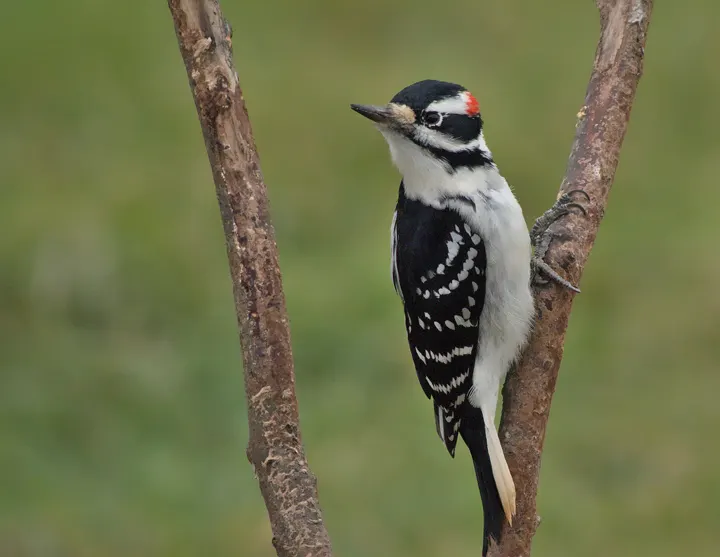
Hairy Woodpecker
Occasional visitor · most common in DecemberEats: suet, peanuts, sunflower
Photo: Blake Ross / iNaturalist, CC BY
-
Yellow-bellied Sapsucker
Regular visitor · most common in DecemberEats: suet, tree sap
Photo: Martin Tremblay / iNaturalist, CC BY
-
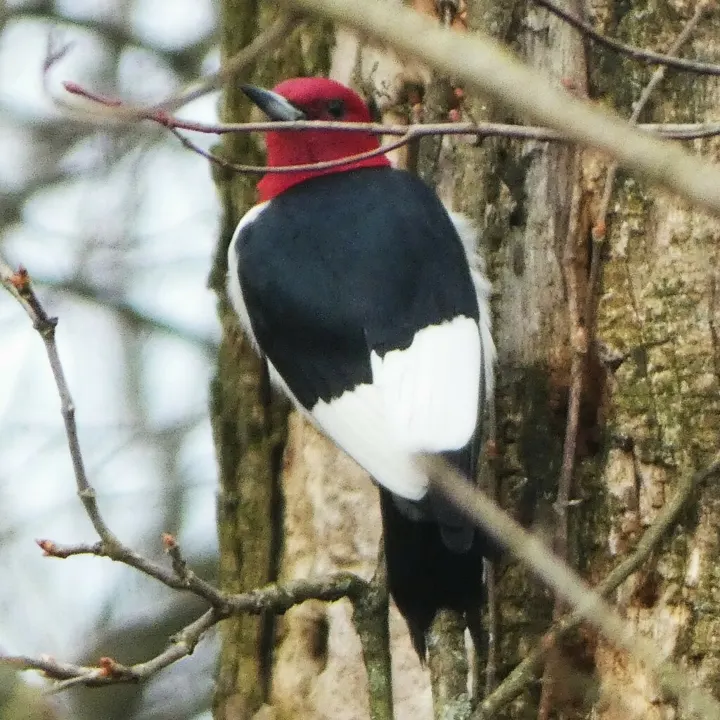
Red-headed Woodpecker
Occasional visitor · most common in SeptemberEats: suet, sunflower, peanuts
Photo: Matthew Gerke / iNaturalist, CC BY
Hummingbirds
When hummingbirds arrive and leave Virginia
The ruby-throated hummingbird is the main hummingbird in Virginia. Sightings start in April, peak in August and fade out in October.
Put a nectar feeder out by mid-April so the first arrivals find it, and keep it up until two weeks after you see the last bird – late migrants from further north still pass through.
Nectar: one part white sugar to four parts water, no red dye. Hummingbird feeders compared →
Ruby-throated Hummingbird sightings per month in Virginia, darkest in the peak month.
Identification
Red birds in Virginia
Northern Cardinal – the male is red all over with a black face; the female is tan with red on wings, tail and crest.
House Finch – males have a red head, breast and rump over brown streaks; common at seed feeders all year.
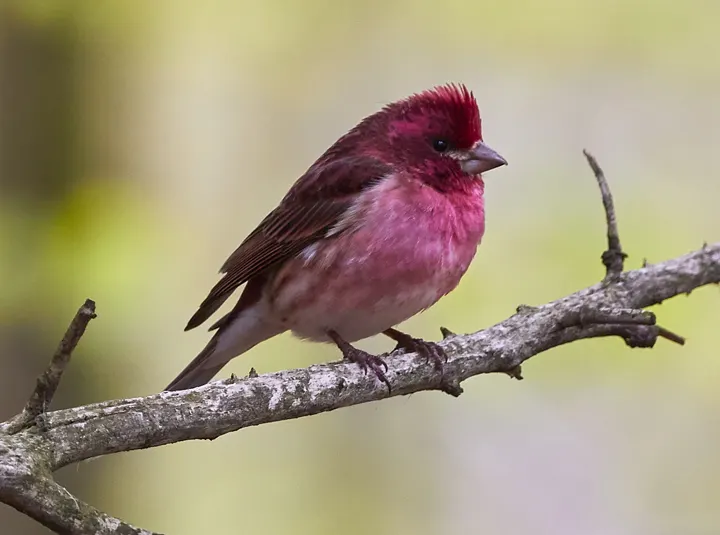
Purple Finch – males look dipped in raspberry juice, with less streaking on the flanks than a house finch.
Red-bellied Woodpecker – despite the name, the red is on the back of the head; the belly shows only a faint blush.
Red-headed Woodpecker – the whole head is deep red, the body black and white.
Bird calendar
The year at the feeder in Virginia
One row per bird, darkest in its strongest month.
Want the list for your own garden? Enter your ZIP code – the birds within 30 km, month by month.
Questions
Backyard birds in Virginia: questions
What is the most common backyard bird in Virginia?
The northern cardinal. It makes up about 3.9% of all bird sightings reported in Virginia, and it stays all year.
What birds are in Virginia in winter?
Besides year-round residents such as the northern cardinal, Carolina wren, blue jay, winter brings white-throated sparrow, dark-eyed junco, yellow-rumped warbler.
What woodpeckers live in Virginia?
7 species are reported regularly: red-bellied woodpecker, downy woodpecker, northern flicker, pileated woodpecker, hairy woodpecker, yellow-bellied sapsucker, red-headed woodpecker.
When do hummingbirds leave Virginia?
Ruby-throated Hummingbird sightings fade out in October. They arrive in April. Keep your feeder up for about two weeks after the last visit.
More states
Backyard birds in other states
- Alabama
- Alaska
- Arizona
- Arkansas
- California
- Colorado
- Connecticut
- Delaware
- Florida
- Georgia
- Hawaii
- Idaho
- Illinois
- Indiana
- Iowa
- Kansas
- Kentucky
- Louisiana
- Maine
- Maryland
- Massachusetts
- Michigan
- Minnesota
- Mississippi
- Missouri
- Montana
- Nebraska
- Nevada
- New Hampshire
- New Jersey
- New Mexico
- New York
- North Carolina
- North Dakota
- Ohio
- Oklahoma
- Oregon
- Pennsylvania
- Rhode Island
- South Carolina
- South Dakota
- Tennessee
- Texas
- Utah
- Vermont
- Washington
- West Virginia
- Wisconsin
- Wyoming
- District of Columbia