Feeding guide
Suet for birds
Which birds eat suet, when to put it out, which feeder to use – and a no-melt recipe you can make at home.
- 27%of Ohio winter bird sightings are suet eaters
- 18suet-eating feeder birds in Ohio
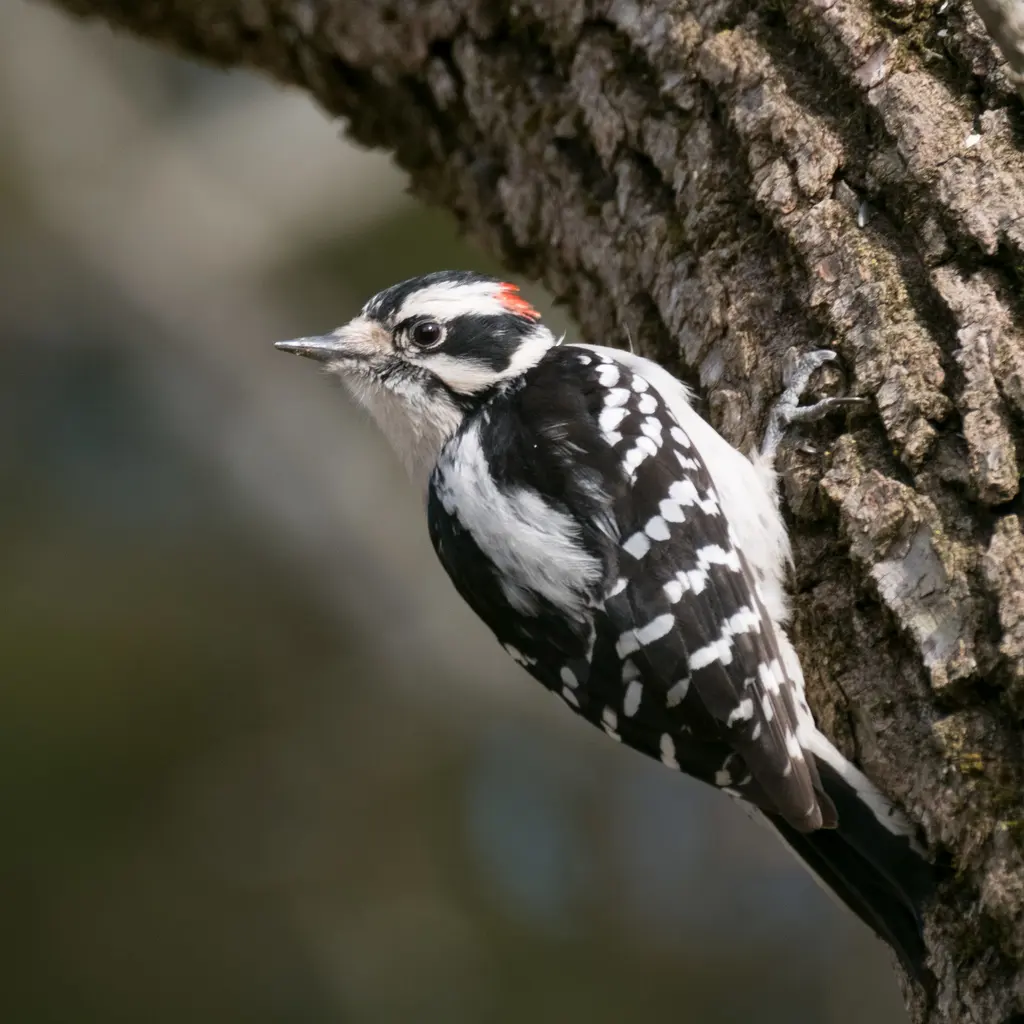
Who eats it
Which birds eat suet?
Mostly birds that eat insects: woodpeckers, nuthatches, chickadees and wrens. Ranked by their share of winter bird sightings in Ohio.
-
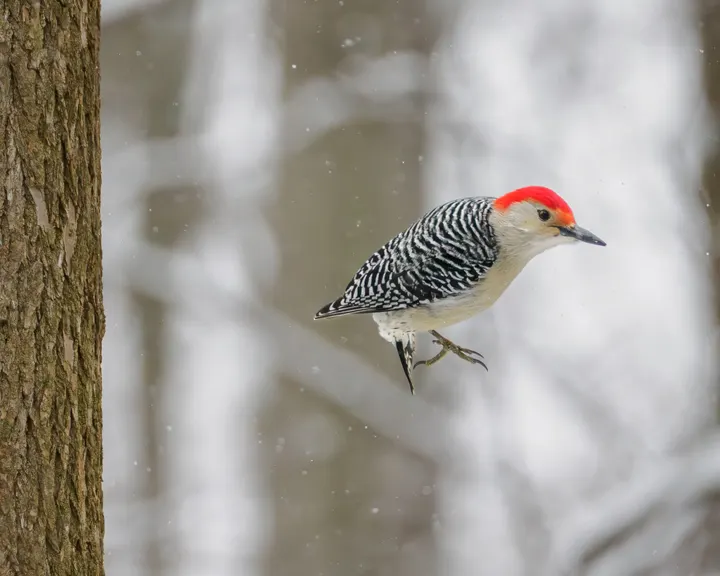
Red-bellied Woodpecker
3.5% of Ohio winter sightingsEats: suet, peanuts, sunflower
Photo: Michael / iNaturalist, CC BY
-
-
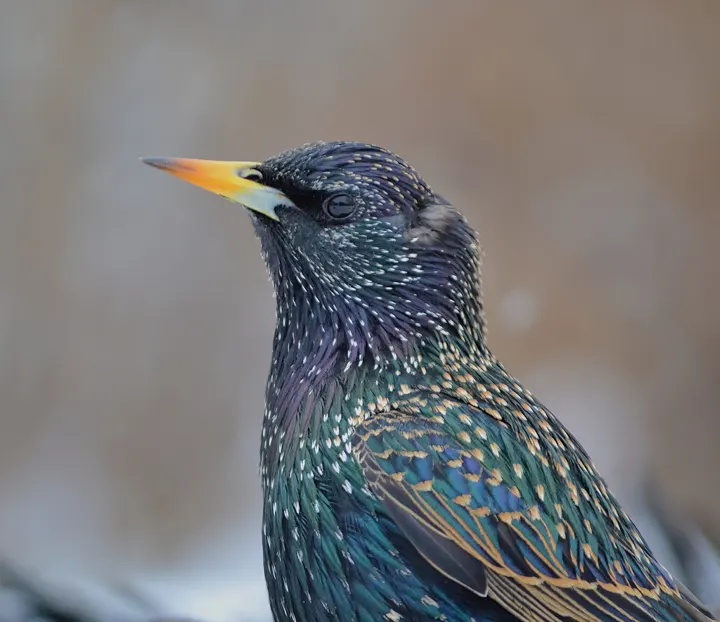
European Starling
3.0% of Ohio winter sightingsEats: suet, mealworms
Photo: Timothy Lindsey / iNaturalist, CC BY
-
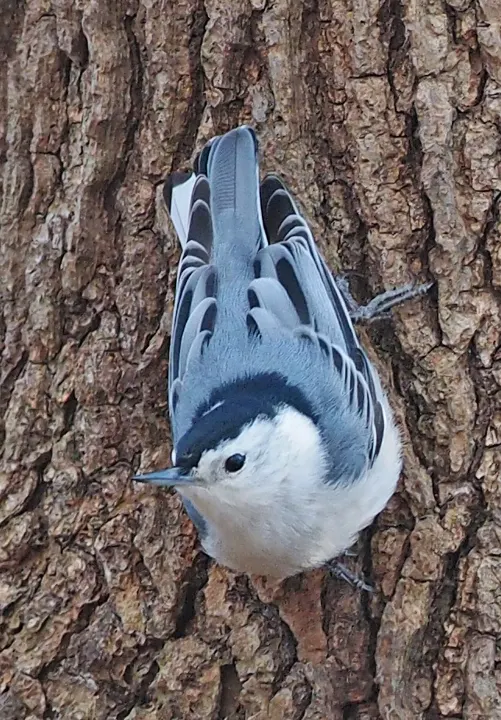
White-breasted Nuthatch
3.2% of Ohio winter sightingsEats: sunflower, suet, peanuts
Photo: Judy Gallagher / iNaturalist, CC BY
-
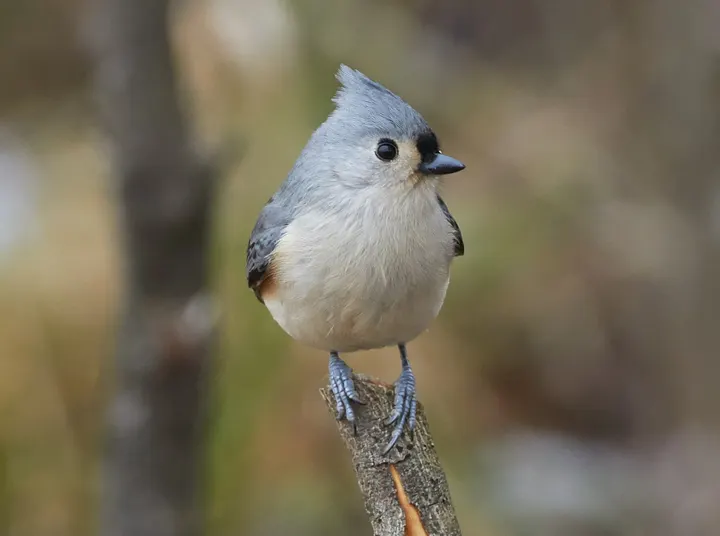
Tufted Titmouse
3.0% of Ohio winter sightingsEats: sunflower, peanuts, suet
Photo: iNaturalist, CC0
-
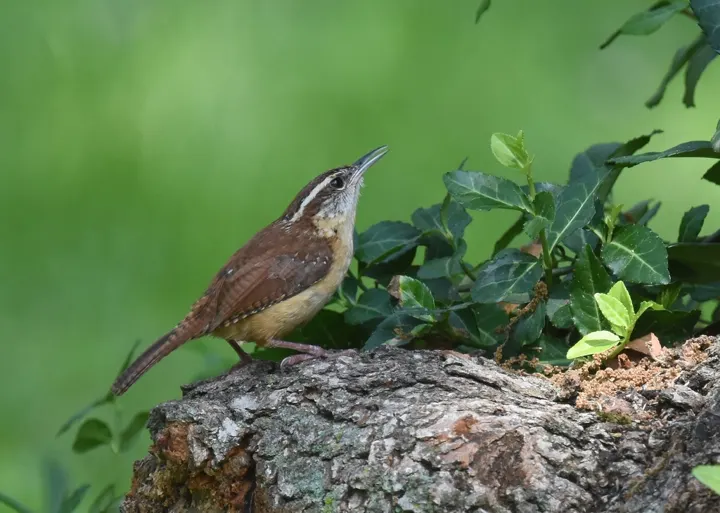
-
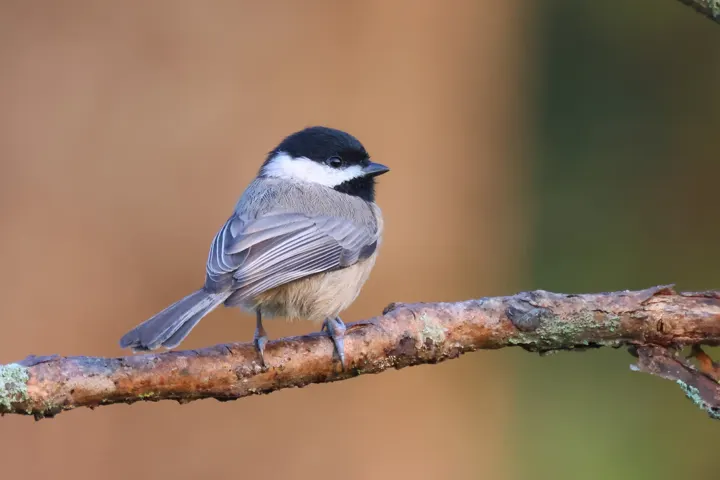
Carolina Chickadee
2.2% of Ohio winter sightingsEats: sunflower hearts, suet
Photo: iNaturalist, CC0
-
-
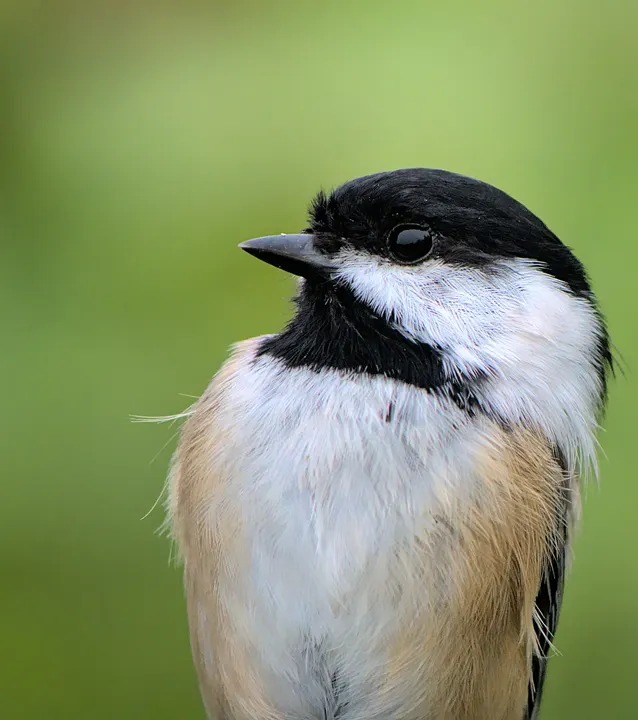
Black-capped Chickadee
1.7% of Ohio winter sightingsEats: sunflower hearts, suet
Photo: Blake Ross / iNaturalist, CC BY
-
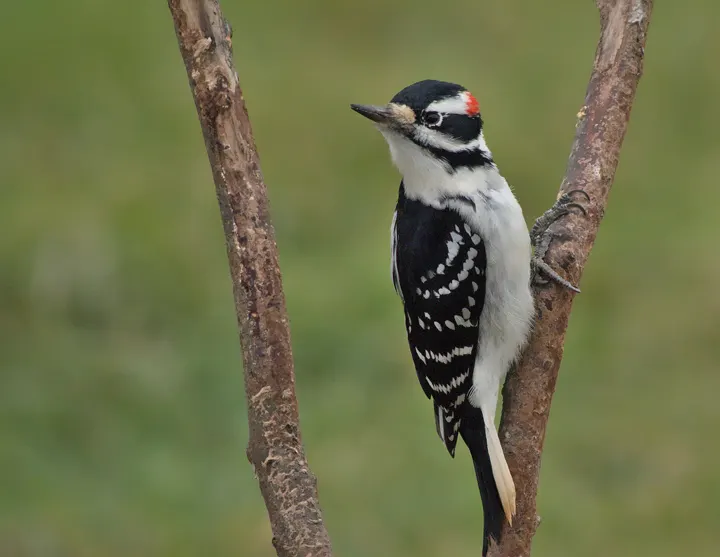
Hairy Woodpecker
1.2% of Ohio winter sightingsEats: suet, peanuts, sunflower
Photo: Blake Ross / iNaturalist, CC BY
Season
When to feed suet
Suet is most useful from late autumn to early spring, when insects are scarce and birds need fat to get through cold nights. That is also when most suet eaters are at feeders: woodpeckers, nuthatches, chickadees and wrens.
Raw suet softens and turns rancid in warm weather, and soft fat can mat feathers. From late spring to early autumn, switch to no-melt suet dough – fat mixed with flour, oats or cornmeal so it stays firm – or pause suet altogether.
How to
How to feed suet
Suet cage
A wire cage holds one standard cake (about 11 oz). Hang it on a tree trunk or pole, where woodpeckers can brace against it.
Tail-prop feeder
A cage with a long board below gives larger woodpeckers such as the pileated and red-bellied room to lean on their stiff tail feathers.
Upside-down feeder
The suet is only reachable from below. Woodpeckers, nuthatches and chickadees cling on easily; starlings and grackles find it hard. Useful where starlings empty the cage in a day.
Plugs, nuggets and balls
Plugs fit into holes drilled in a log feeder; nuggets go into a tray or mesh feeder and also suit bluebirds and wrens.
Homemade
Homemade no-melt suet recipe
Melt 1 cup of lard or rendered beef suet with 1 cup of crunchy peanut butter. Stir in 2 cups of quick oats, 2 cups of cornmeal, 1 cup of flour and 1/3 cup of sugar. Press into a square container, chill until firm and cut into cakes that fit your cage.
Leave out bacon grease and meat drippings – salt and preservatives are bad for birds, and the smell attracts mammals.
Makes about four standard cakes.
Store extra cakes in the freezer and put one out at a time.
What to buy
Suet feeders and cakes
Pick the feeder by the birds you want to see – and keep a no-melt option for the warm months.
Shop links may earn us a commission. The price stays the same for you.
Questions
Suet: questions
What birds eat suet?
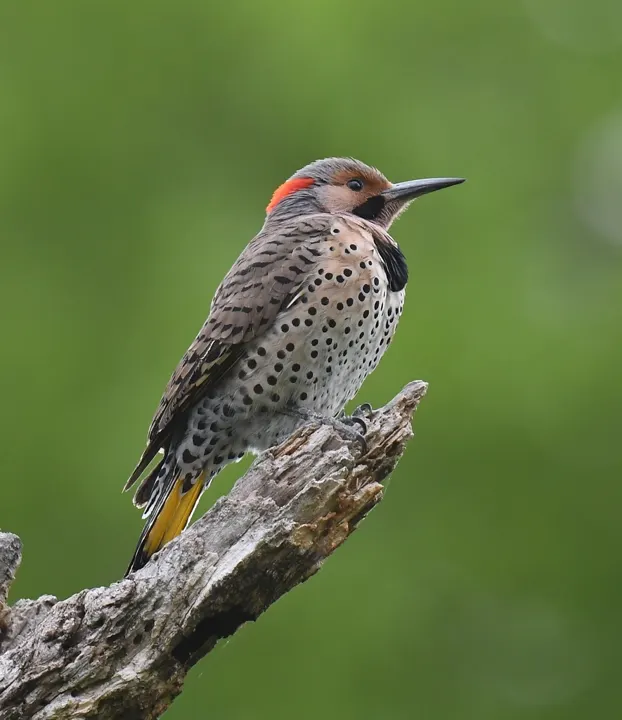
Mainly woodpeckers (downy, hairy, red-bellied, pileated, northern flicker), nuthatches, chickadees, titmice, wrens, yellow-rumped warblers and, less welcome, starlings.
When should I stop feeding suet?
Raw suet goes soft and rancid in warm weather. From late spring to early autumn, use no-melt suet dough or stop feeding suet until it cools down again.
How do I keep starlings off my suet?
Use an upside-down suet feeder. Woodpeckers and nuthatches feed hanging from below; starlings find it difficult.
Can I use bacon grease for suet?
No. Bacon grease and meat drippings contain salt and preservatives that are bad for birds.