Bird food
Bird seed
Sunflower, millet and cracked corn do the work in a good mix. Milo, wheat and oats mostly end up on the ground.
- 41 of 98common feeder birds eat it (Project FeederWatch)
Who eats it
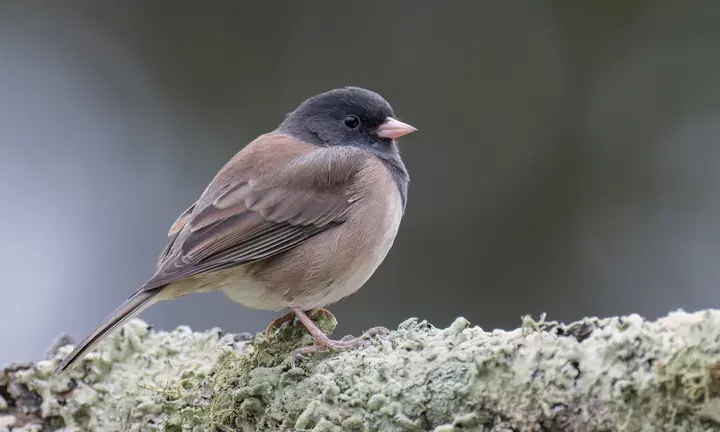
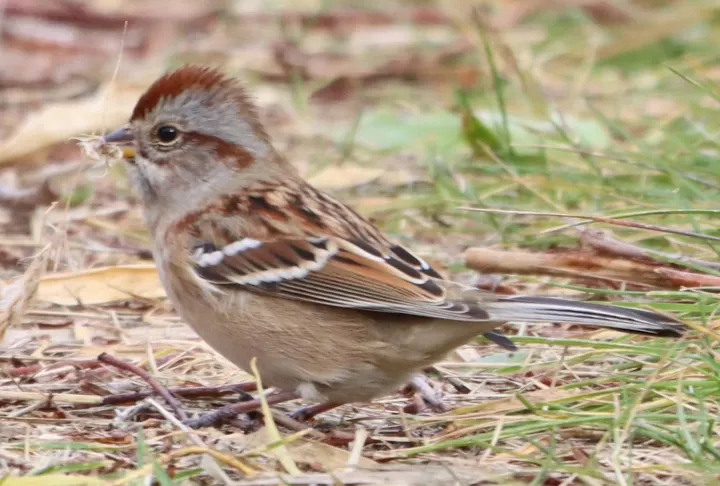
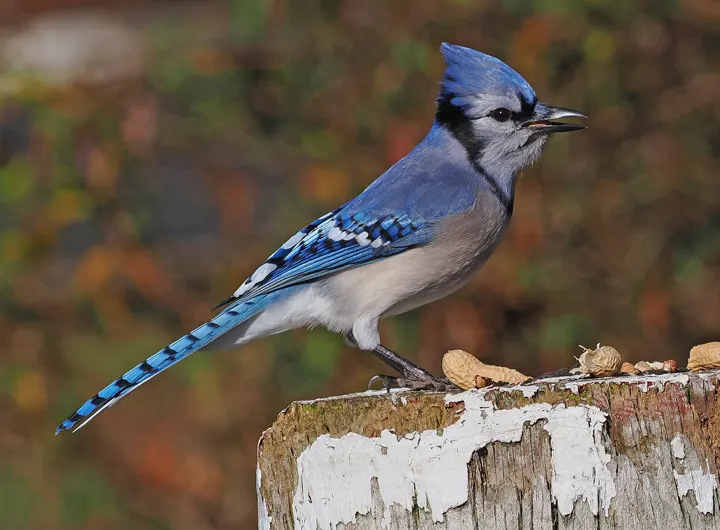
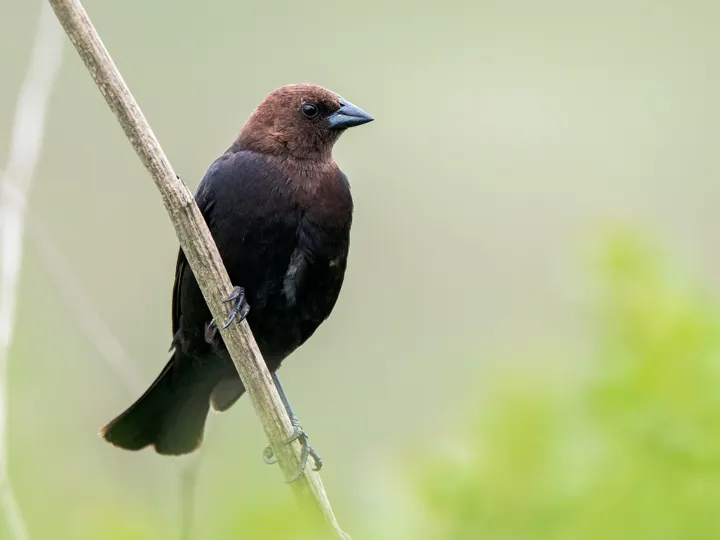
Which birds eat bird seed?
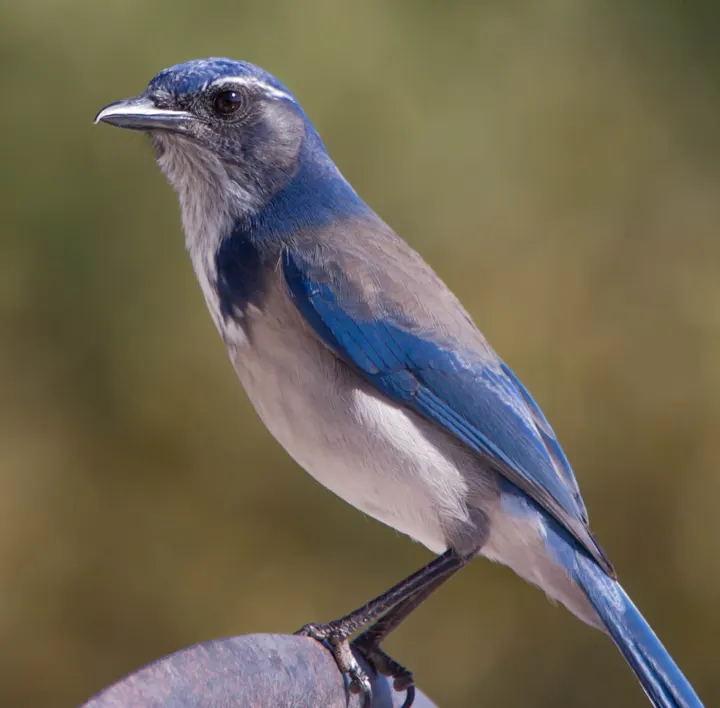
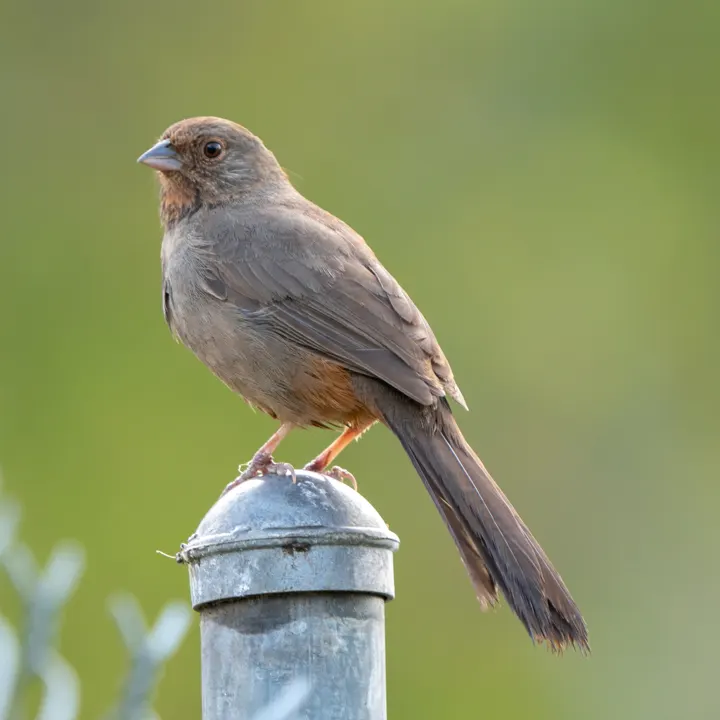
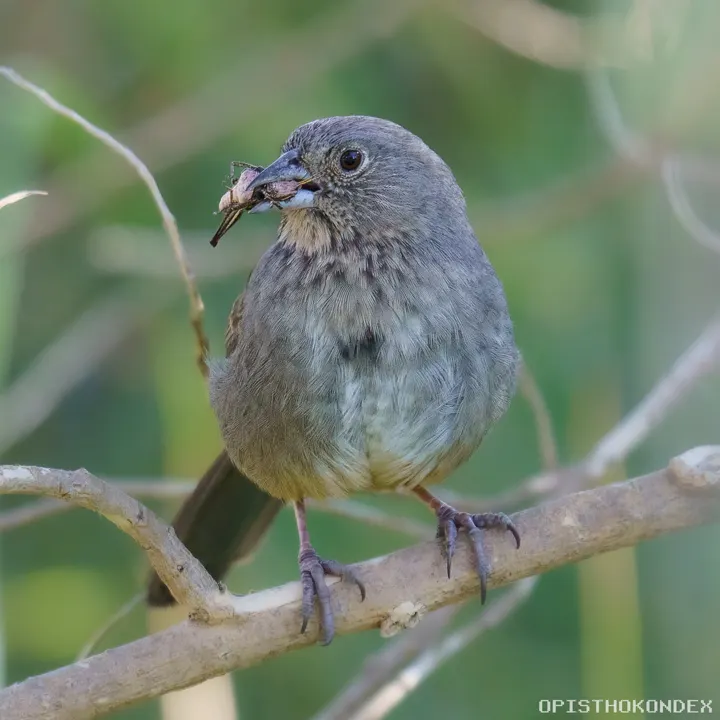
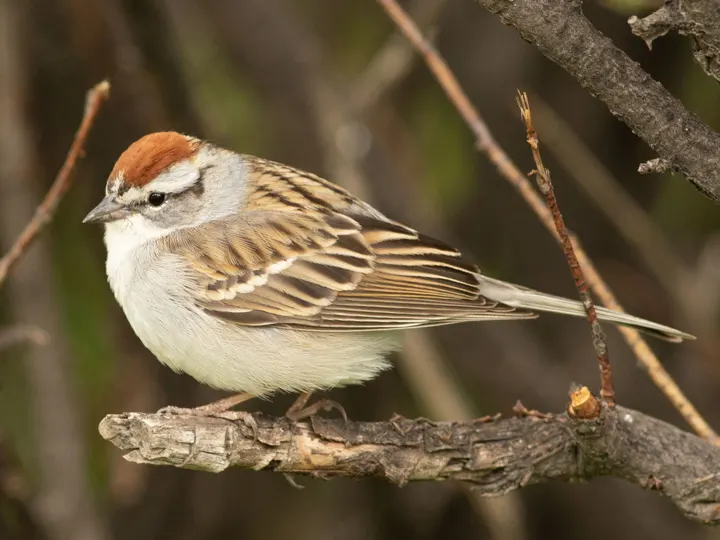
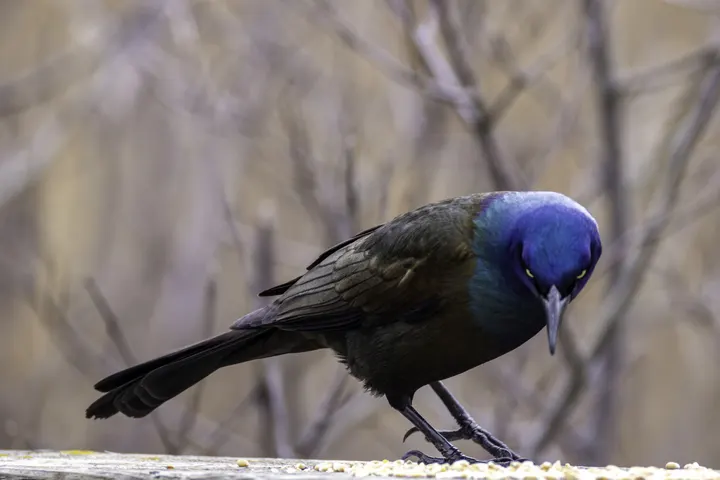
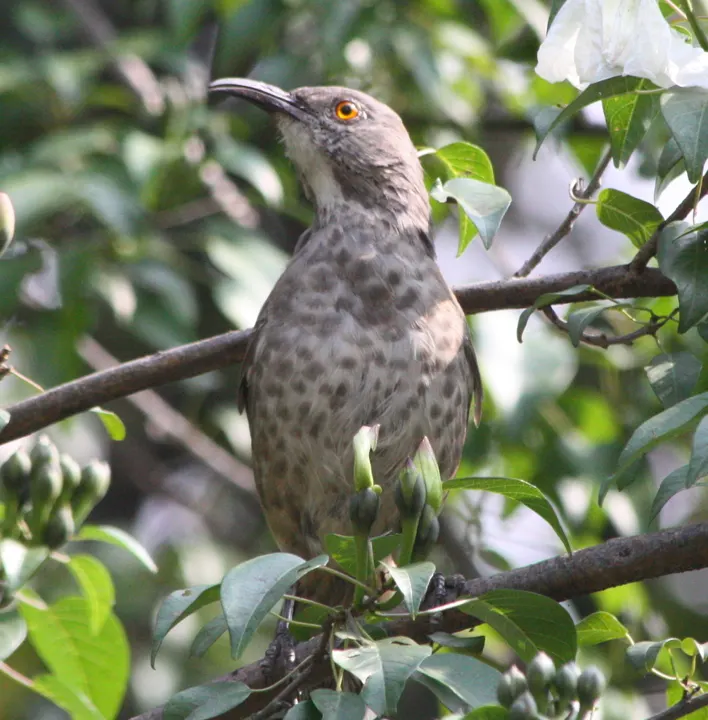
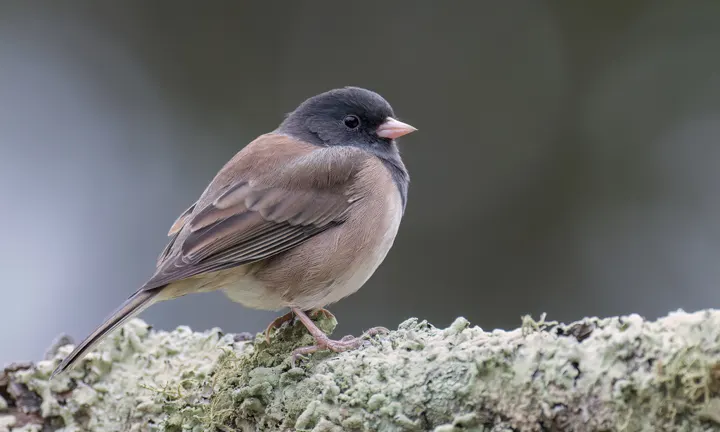
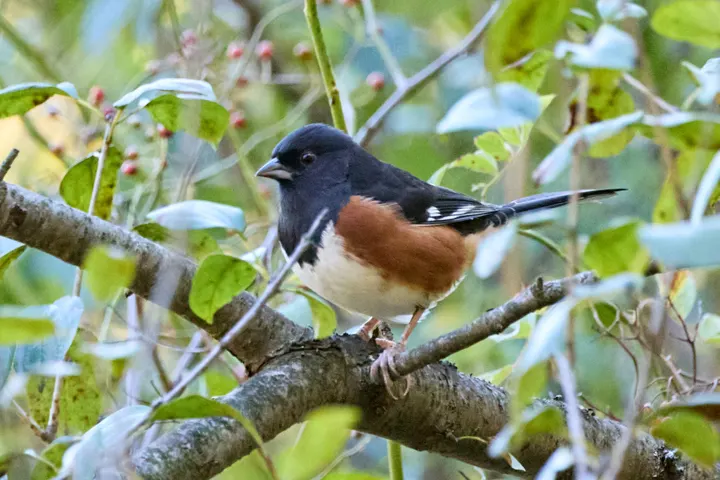
Feeder birds that Project FeederWatch lists for this food – shown here with a species guide where we have one.
The essentials
What to know
- When using blends, choose mixes with sunflower seed, millet and cracked corn – the three most popular birdseeds. Relatively few species prefer milo, wheat and oats, which feature in cheaper blends. (Audubon)
- Sunflower specialists eat the sunflower and toss millet and corn to the ground, where sparrows and juncos eat it. (Audubon)
- Milo (red, round grain) is a major component of inexpensive mixes but not a favorite of most birds; western birds eat more of it than eastern birds – best avoided in eastern mixes. (Project FeederWatch)
- Penn State Extension: commercial mixes often contain wheat, milo, hulled oats, rice and rye that are not attractive to birds; birds sort them out. (Penn State Extension)
- Illinois Extension: milo is often a filler in inexpensive mixes and typically rejected by Illinois winter birds. (Illinois Extension)
- Mass Audubon: mixed seed is often wasteful as birds discard unwanted seeds. (Audubon)
- Audubon Mixology: in 'no-mess' blends everything gets eaten; 'high-energy' seasonal claims have little evidence (birds' preferences don't change much by season); hot-pepper anti-squirrel blends vary in effect – pair with baffles. (Audubon)
- White millet is favored by small ground-feeding birds (juncos, sparrows); cracked corn draws doves, quail and sparrows; whole corn wild turkeys and ducks. (Project FeederWatch)
- Offer different seeds in different feeders to reduce waste and attract more species. (Audubon)
Storage
Storage and freshness
- Metal can, cool and dry; mold risk if damp; don't keep seed over summer to next winter. (Audubon)
- Offer millet only in quantities eaten within a day to prevent rot. (Audubon)
- NWF: stock up on seed in fall when discounted and store cool and dry. (National Wildlife Federation)
Avoid
What to avoid
- Mixes heavy in milo, wheat, oats (east of the Plains). (Audubon)
- Bread/crackers and processed human food. (Audubon)
- Moldy seed – dispose of it. (Penn State Extension)
- Example of a mix containing milo and wheat: Duncraft Traditional Mix lists black oil sunflower, striped sunflower, white millet, milo, wheat, cracked corn, peanut hearts. (Duncraft)
Mistakes
Common mistakes
- Buying the cheapest mix – filler ends up on the ground. (Penn State Extension)
- One feeder with one mix for everything; different seeds in different feeders reduce waste. (Audubon)
What to buy
Bird seed to buy
Shop links may earn us a commission. The price stays the same for you. Prices as seen on 30 Sep 2026; Amazon prices are not shown.
Questions
Bird seed: questions
What is the best bird seed?
Black oil sunflower seed attracts the widest range of birds. For a mix, choose one based on sunflower, white millet and cracked corn.
What should I avoid in bird seed mixes?
Blends heavy in milo, wheat, oats or red millet. Few eastern feeder birds eat them, so they are left on the ground.
How long does bird seed keep?
Store it cool, dry and rodent-proof in a metal can and don't keep seed from one winter to the next.
More bird food