Bird food
Black oil sunflower seeds
The one seed to buy if you buy only one: most feeder birds eat it, it is high in fat and its thin shell is easy to crack.
- 71 of 98common feeder birds eat it (Project FeederWatch)
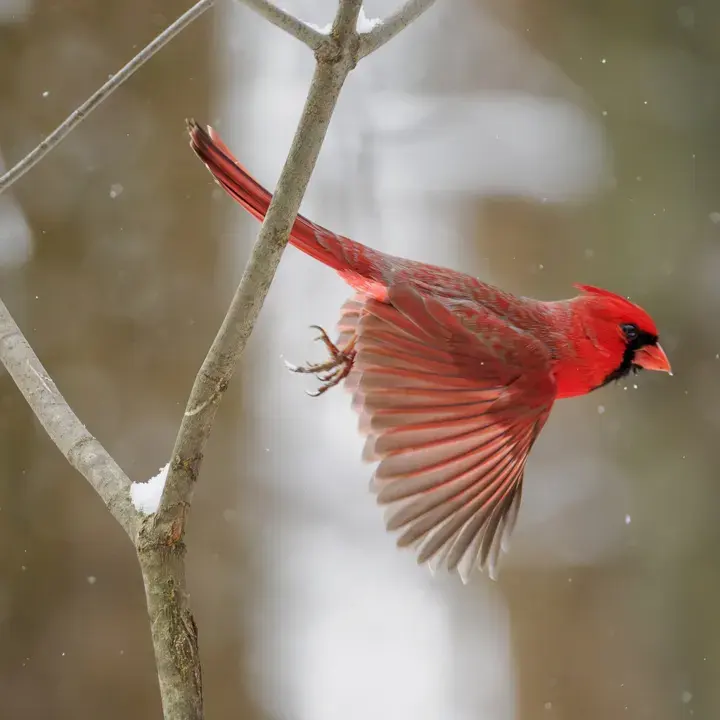
Who eats it
Which birds eat black oil sunflower seeds?
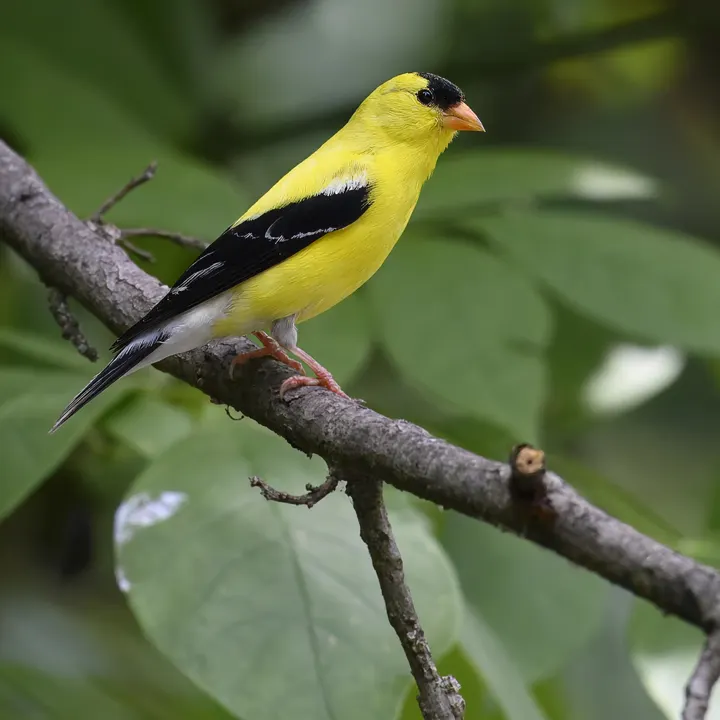
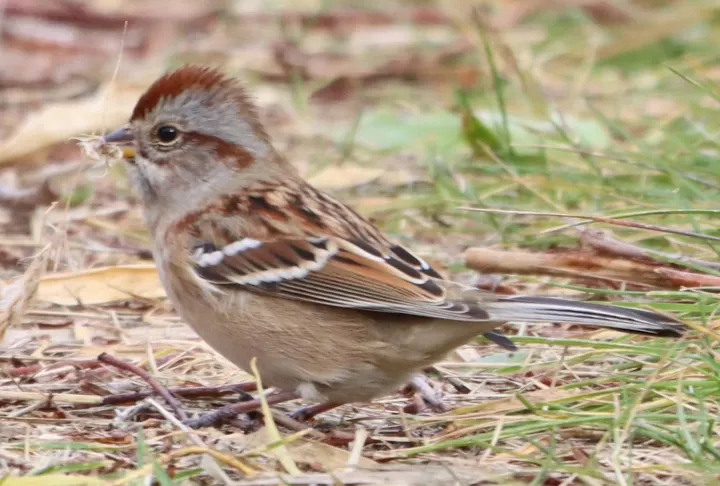
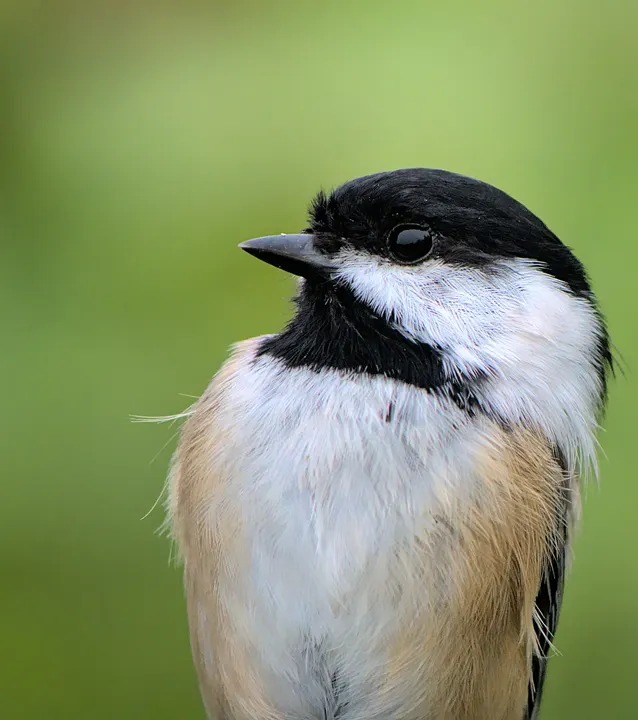
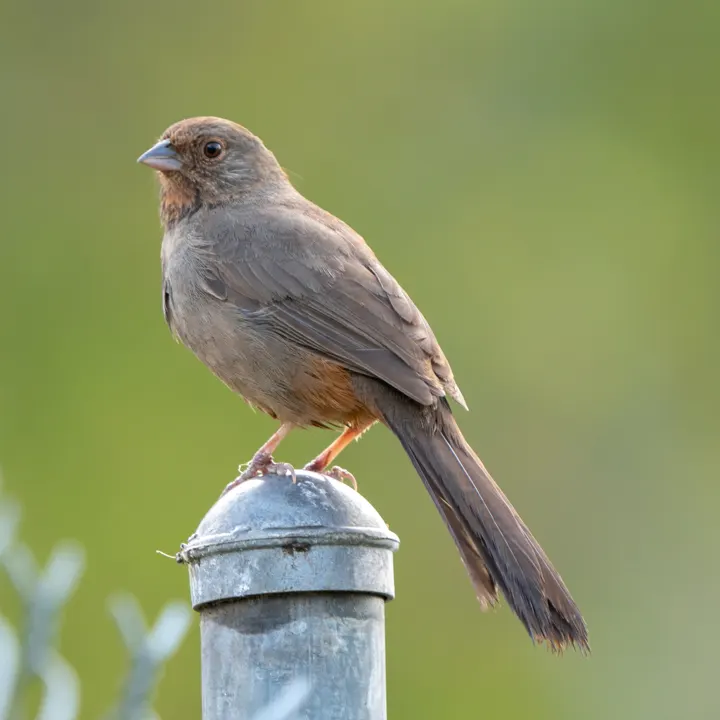
Feeder birds that Project FeederWatch lists for this food – shown here with a species guide where we have one.
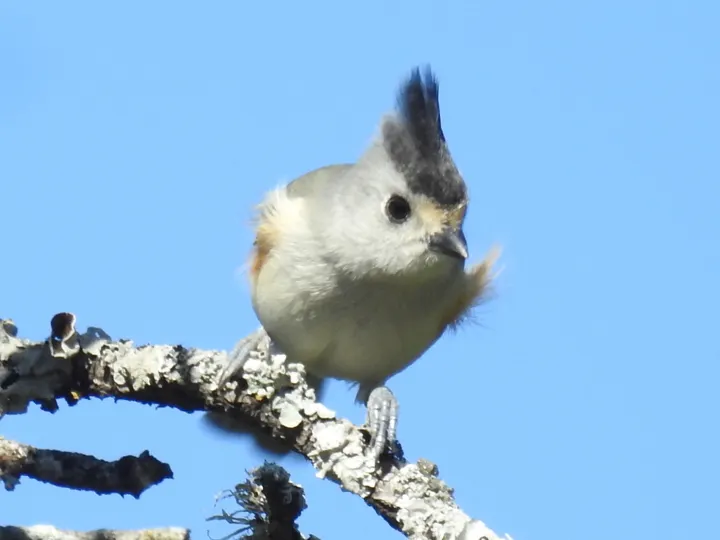
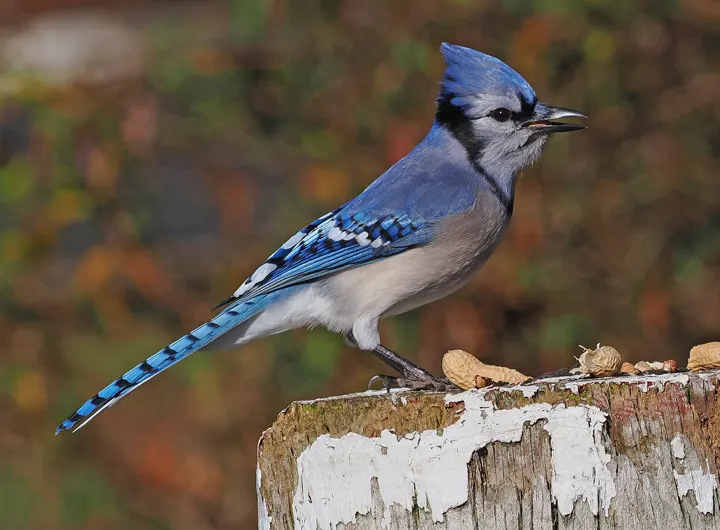
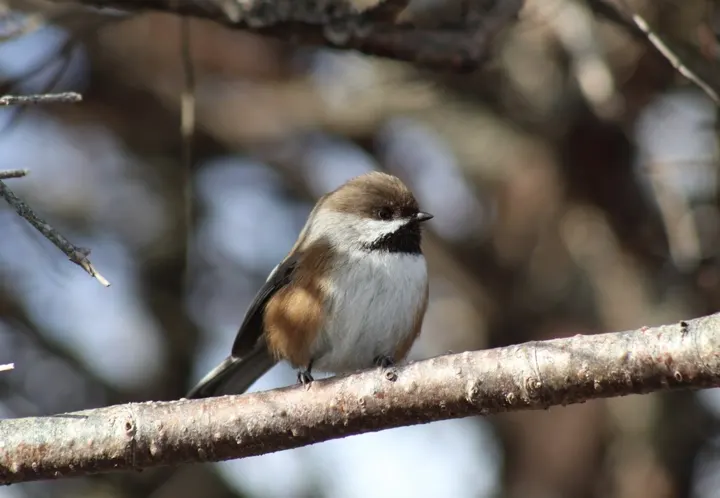
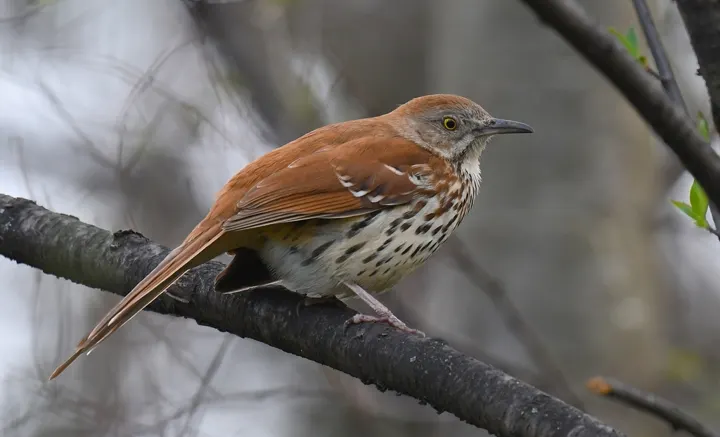
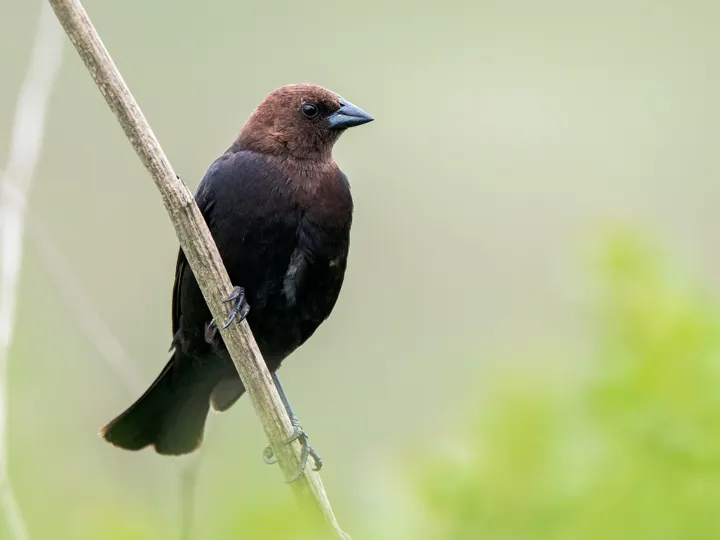
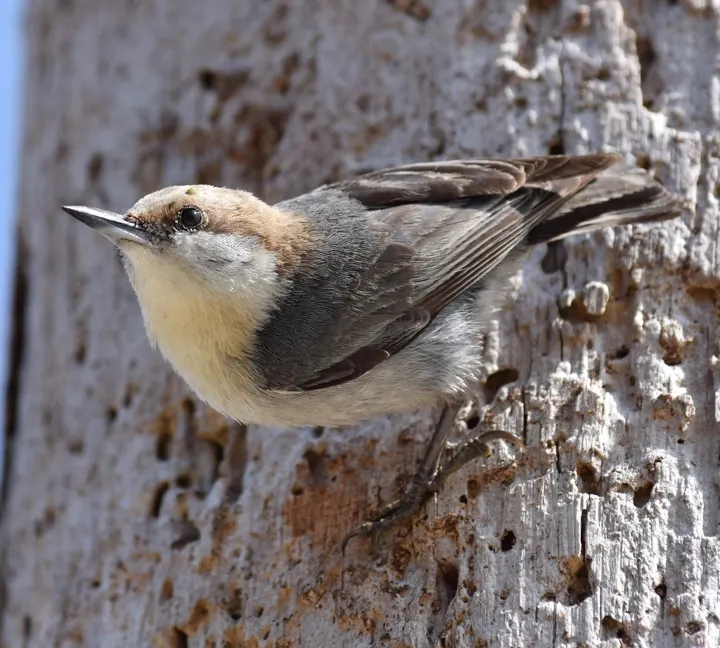
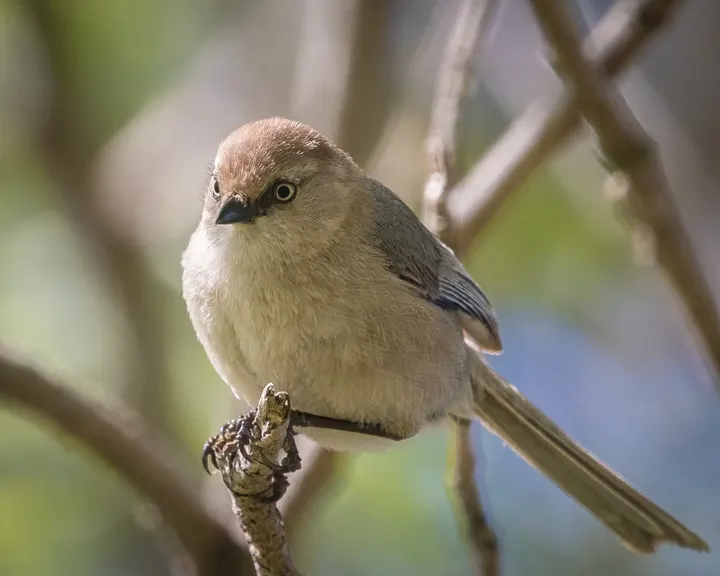
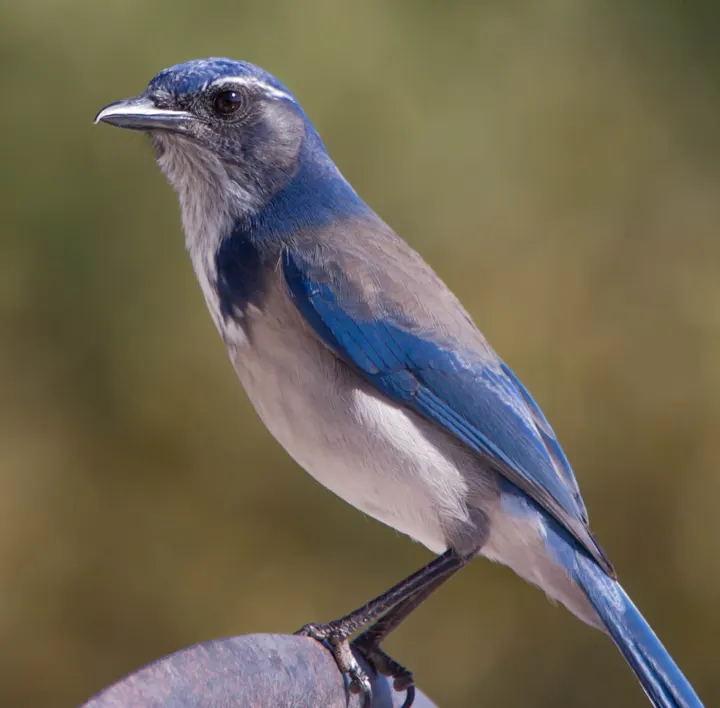
The essentials
What to know
- Black-oil sunflower is the most common seed offered at North American feeders; high in energy with thin shells, preferred by a wide variety of birds. (Project FeederWatch)
- Black-oil sunflower seed appeals to the greatest number of birds (Audubon Guide to Bird Feeding, Stephen W. Kress). (Audubon)
- Black-oil sunflower seeds are more popular with birds than black-striped because of the softer shell; attracts cardinals, nuthatches, chickadees, goldfinches – and squirrels. (Audubon)
- Sunflower seeds are hard for European Starlings to open because their bills are not adapted to cracking them. (Audubon)
- Hulled ('no mess') sunflower reduces chaff under feeders but must be kept dry: it spoils faster than sunflower in the shell. (Project FeederWatch)
- Hulled sunflower seed is more expensive and carries a higher spoilage risk (Illinois Extension). (Illinois Extension)
- NWF/Project Wildbird (2005–2008, David Horn, Millikin University) found black oil sunflower, white proso millet, nyjer and sunflower chips the most sought-after seeds. (National Wildlife Federation)
- Sunflower hulls contain allelopathic compounds; ground under feeders where hulls accumulate is often bare. Remove hulls regularly, site the feeder away from lawn/beds, or feed hearts. (Illinois Extension)
- Audubon: rake up spilled grain and sunflower hulls in early spring. (Audubon)
Storage
Storage and freshness
- Store seed in metal cans with secure lids in a cool, dry place; damp seed can grow mold that can be fatal to birds; overheating destroys the nutrition and taste of sunflower seeds – don't keep seed from one winter to the next. (Audubon)
- Mass Audubon recommends aluminum trash cans with tight-fitting lids to keep rodents out. (Audubon)
Season
When to feed it
- Suitable year-round in the US; feeders help birds most in winter when natural food is scarce, and some nesting birds use feeders in summer. (Audubon)
Mistakes
Common mistakes
- Leaving hull piles under the feeder (bare lawn, mold). (Illinois Extension)
- Buying hulled sunflower in bulk and letting it get damp – spoils faster than in-shell seed. (Project FeederWatch)
- Storing seed in heat or over summer. (Audubon)
What to buy
Black oil sunflower seeds to buy
Shop links may earn us a commission. The price stays the same for you. Prices as seen on 30 Sep 2026; Amazon prices are not shown.
Questions
Black oil sunflower seeds: questions
Which birds eat black oil sunflower seeds?
Most feeder birds: cardinals, chickadees, titmice, nuthatches, finches, jays, grosbeaks and many sparrows. Project FeederWatch lists 71 of 98 common feeder birds as eaters.
Is black oil sunflower better than striped sunflower?
For most birds, yes. Black oil seeds have thinner shells and more fat; striped seeds suit big-billed birds such as jays and cardinals.
Should I buy hulled sunflower seeds?
Hulled seeds (sunflower hearts) leave no shells under the feeder and are eaten by even more species, but they cost more and spoil faster when wet.
More bird food