Bird food
Peanuts for birds
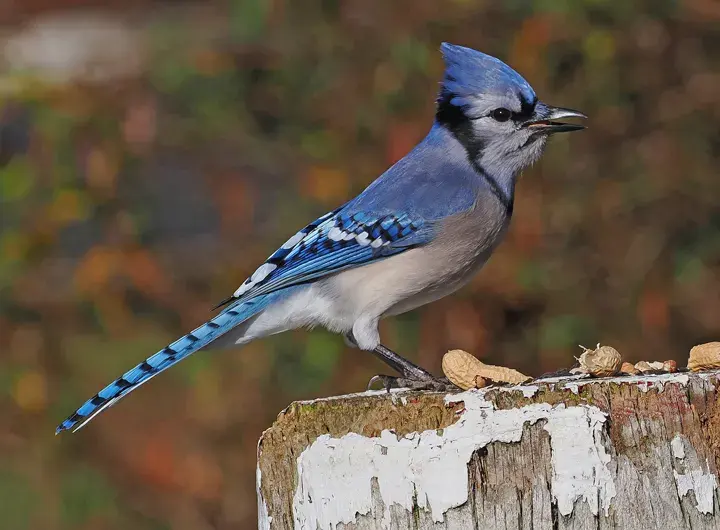
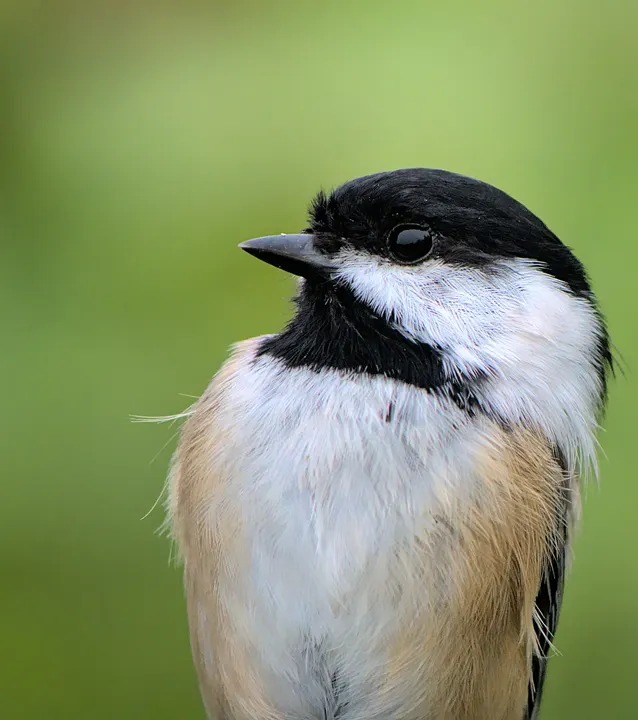
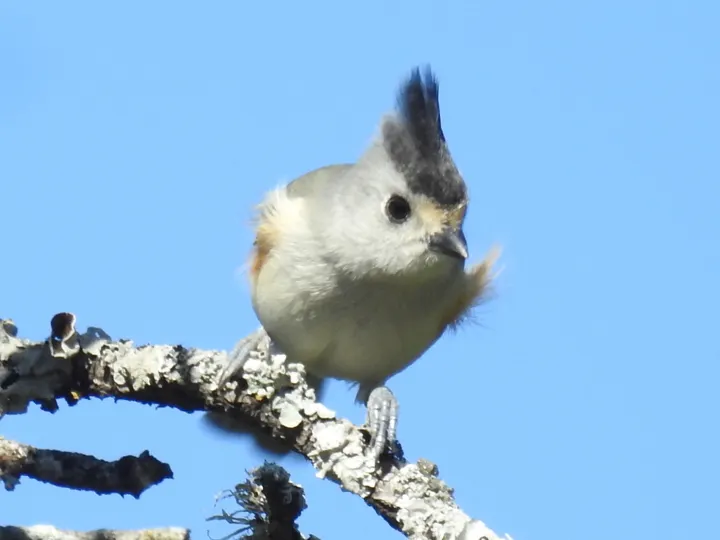
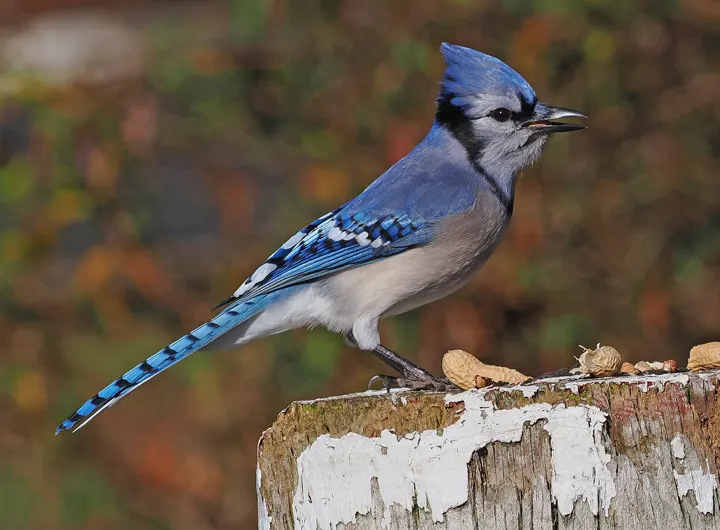
Jays, woodpeckers, nuthatches and chickadees love peanuts. Buy unsalted, tested nuts and offer them in a mesh feeder, not loose.
- 31 of 98common feeder birds eat it (Project FeederWatch)
Who eats it
Which birds eat peanuts for birds?
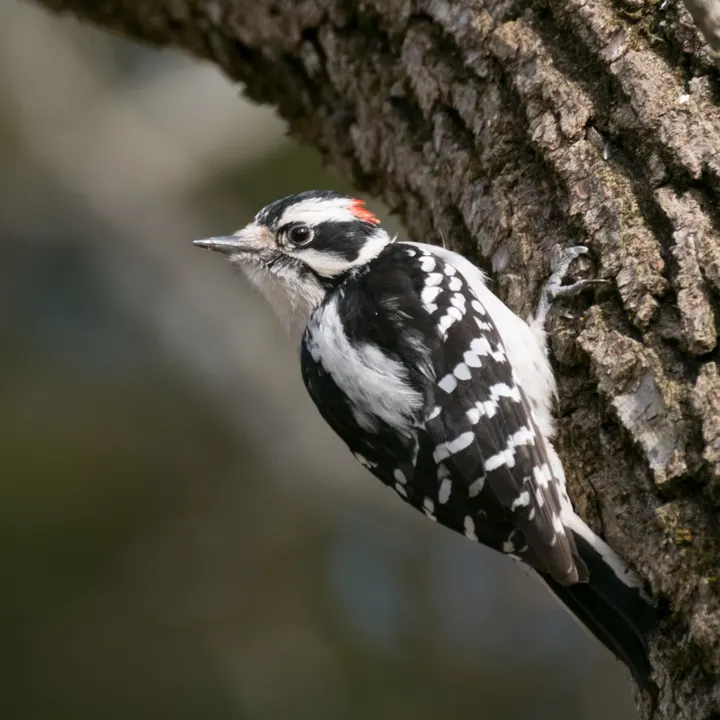
Feeder birds that Project FeederWatch lists for this food – shown here with a species guide where we have one.
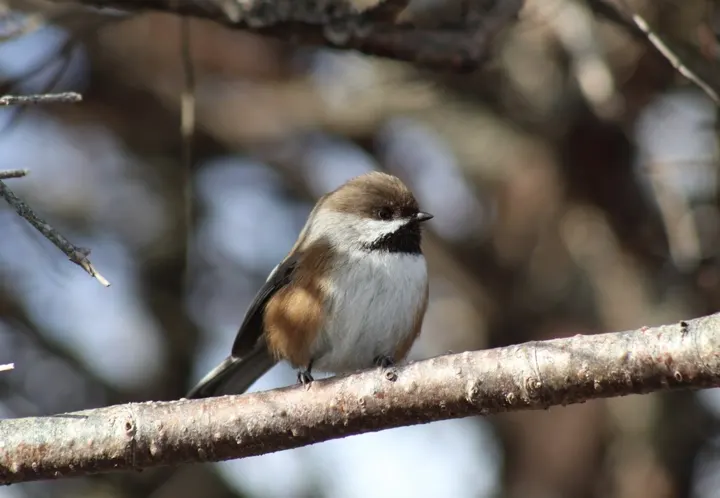
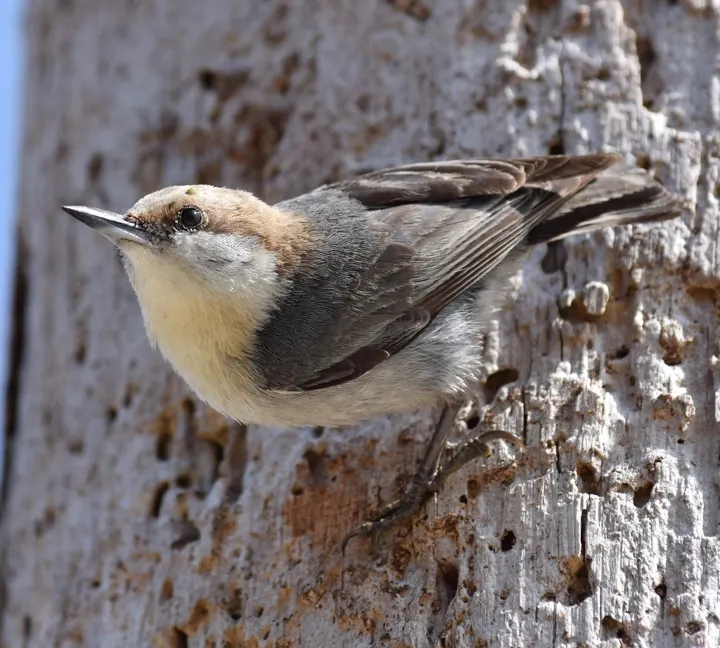
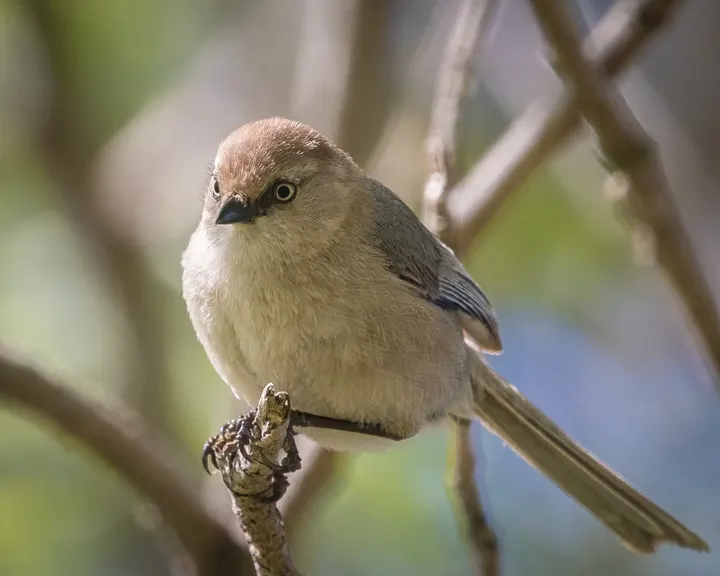
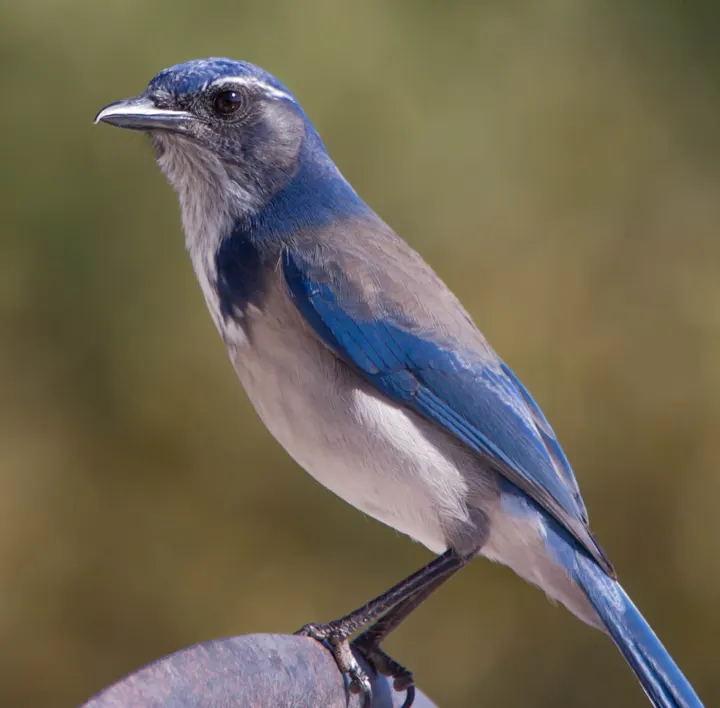
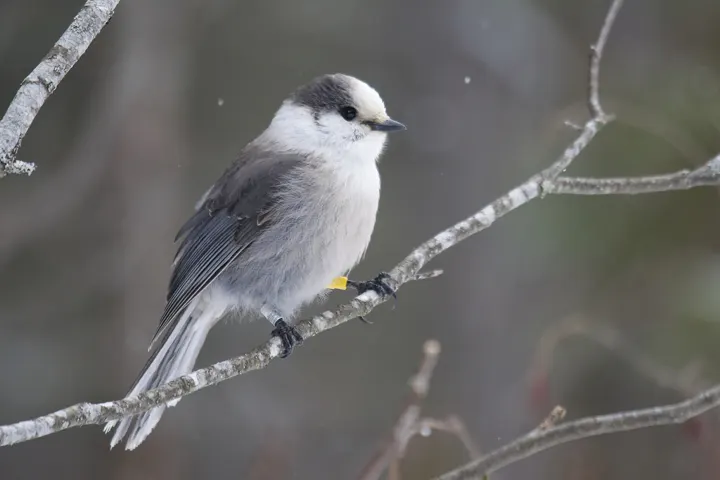
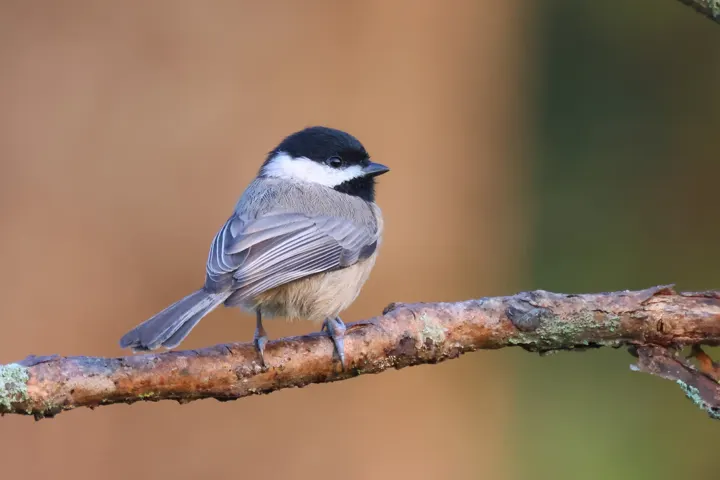
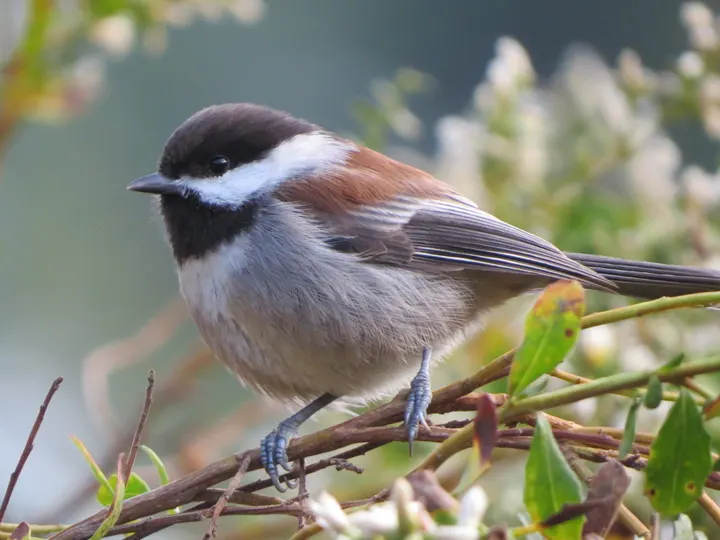
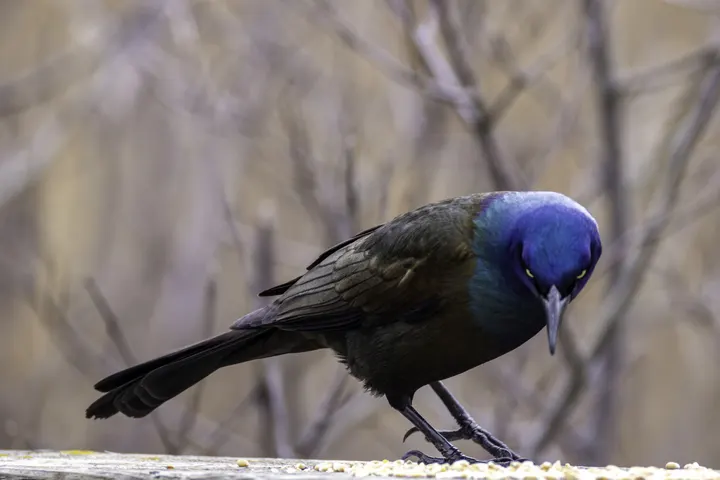
The essentials
What to know
- Peanuts are legumes (Arachis hypogaea) that grow underground; offer shelled or in-shell. Jays grab several at once; smaller birds (chickadees, nuthatches, titmice) do better with shelled. (Project FeederWatch)
- Offer raw or roasted peanuts; avoid salted, coated or flavored peanuts. Watch for mold and dispose of moldy peanut hearts immediately. (Project FeederWatch)
- Peanut hearts attract chickadees, titmice, nuthatches and jays; high in energy and protein but need mold monitoring. (Project FeederWatch)
- Mixtures of peanuts, nuts and dried fruit attract woodpeckers, nuthatches and titmice; offer peanuts in a separate feeder. (Audubon)
- Aflatoxins are produced by Aspergillus molds; FDA may consider peanuts/peanut products with total aflatoxins above 20 ppb adulterated (human food, CPG 570.375). (FDA)
- UK study: 10% of peanut samples at point of sale exceeded the 20 µg/kg aflatoxin B1 limit; branded vs unbranded made no significant difference; precautionary best practice recommended. (discovery.ucl.ac.uk)
- RSPB: buy peanuts guaranteed aflatoxin-free from a reputable supplier; poor-quality peanuts may contain lethal aflatoxin. (RSPB)
Squirrels
Squirrels
- In-shell peanuts attract squirrels, jays and other wildlife; for squirrel-free feeding use baffles/pole placement. (Audubon)
Mistakes
Common mistakes
- Salted or flavored snack peanuts. (Project FeederWatch)
- Moldy or cheap peanuts (aflatoxin). (RSPB)
- UK: whole peanuts on a table/loose in spring. (RSPB)
Spring
Breeding season
- RSPB: never offer loose peanuts in the breeding season (choking risk for chicks); never use mesh bags. (RSPB)
- BTO: wire mesh feeders so birds cannot carry whole peanuts away. (BTO)
- UK 2026: peanuts paused entirely 1 May–31 Oct (trichomonosis); RSPB shop page states no peanuts May–October. (RSPB)
- RSPB shop: rejects any peanuts containing detectable aflatoxin. (RSPB)
What to buy
Peanuts for birds to buy
Shop links may earn us a commission. The price stays the same for you. Prices as seen on 30 Sep 2026; Amazon prices are not shown.
Questions
Peanuts for birds: questions
Which birds eat peanuts?
Jays, woodpeckers, nuthatches, chickadees and titmice take whole peanuts; peanut hearts and pieces are eaten by even more species.
What is aflatoxin?
A toxin produced by moulds on peanuts that can kill birds. Buy peanuts sold for birds by a reputable supplier – UK sellers state aflatoxin testing; many US listings don't mention it.
Can I feed peanuts in spring?
In the UK, not loose and – since 2026 – not at all from May to October. In the US, offer them in a mesh feeder so chicks can't choke on whole nuts.
More bird food