Bird food
Mealworms for birds
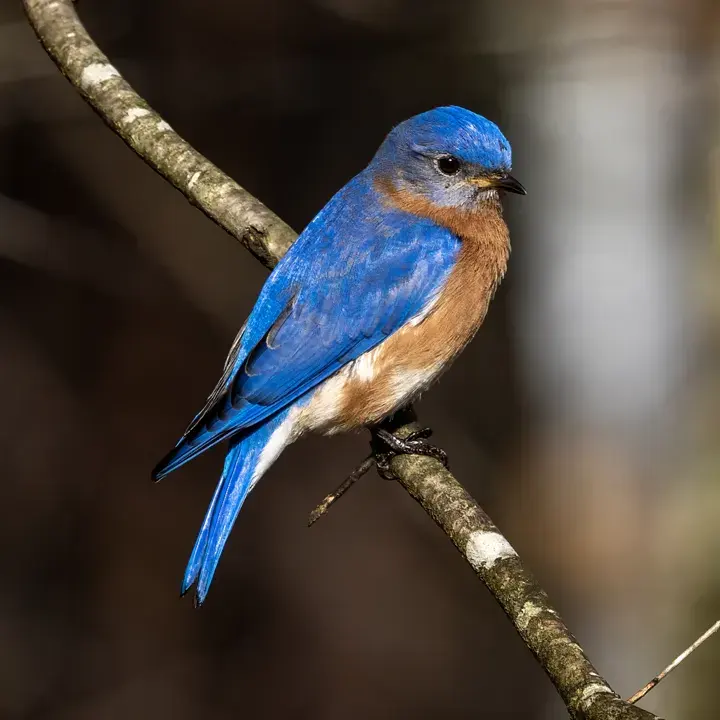
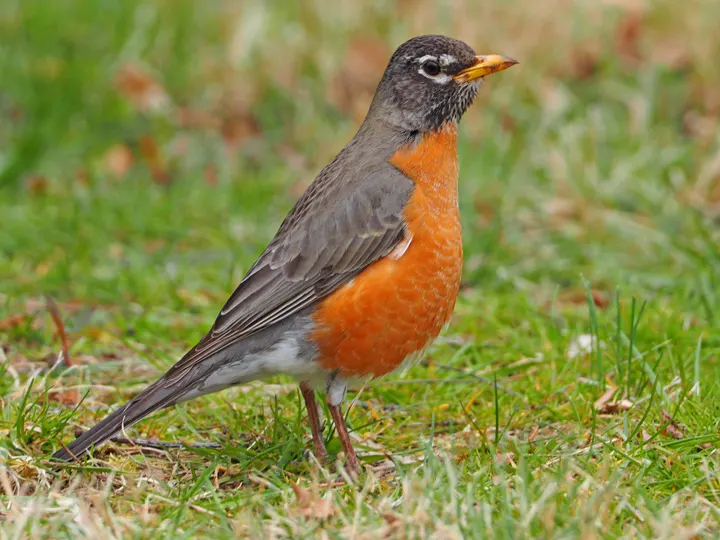
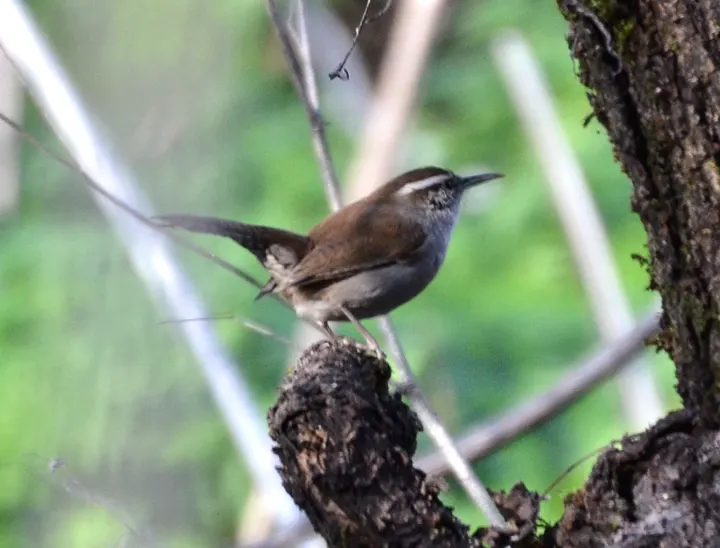
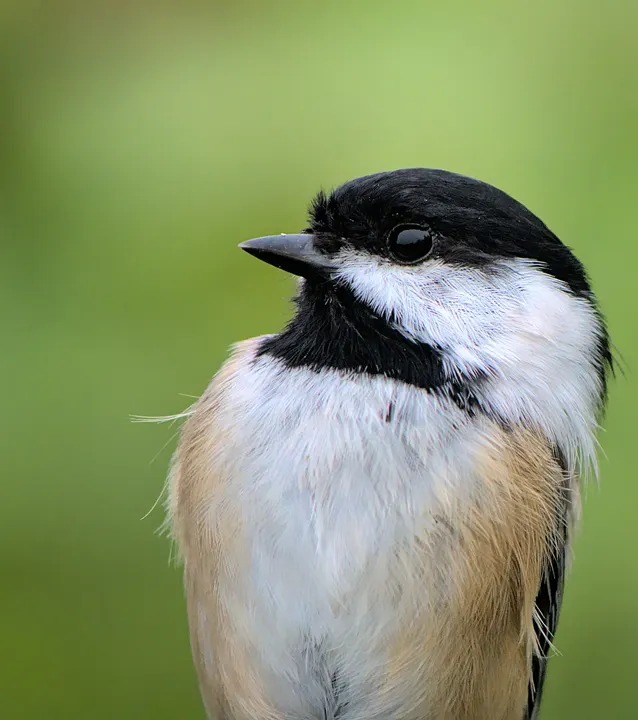
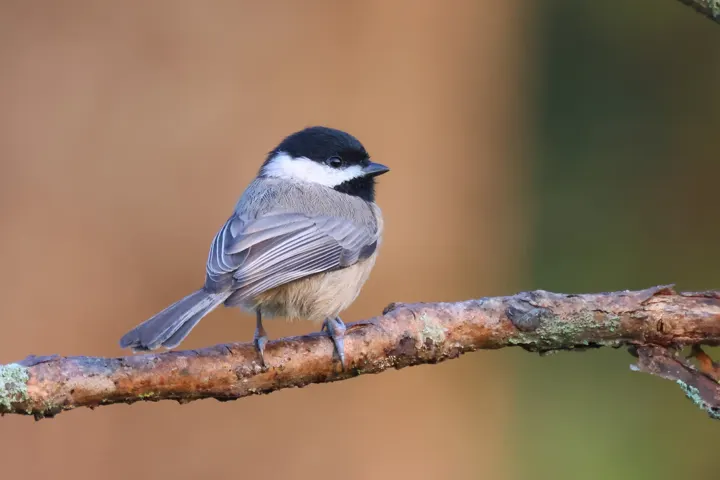
A protein treat for bluebirds, wrens, robins and chickadees – best in small amounts, especially in nesting season and cold snaps.
- 37 of 98common feeder birds eat it (Project FeederWatch)
Who eats it
Which birds eat mealworms for birds?
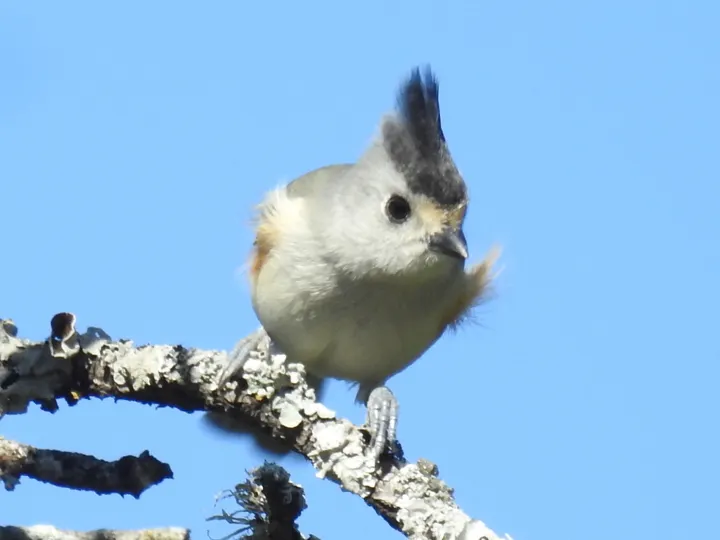
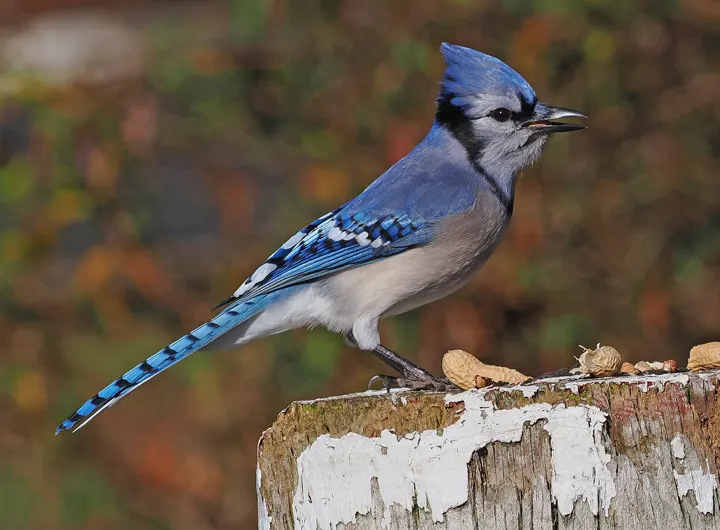
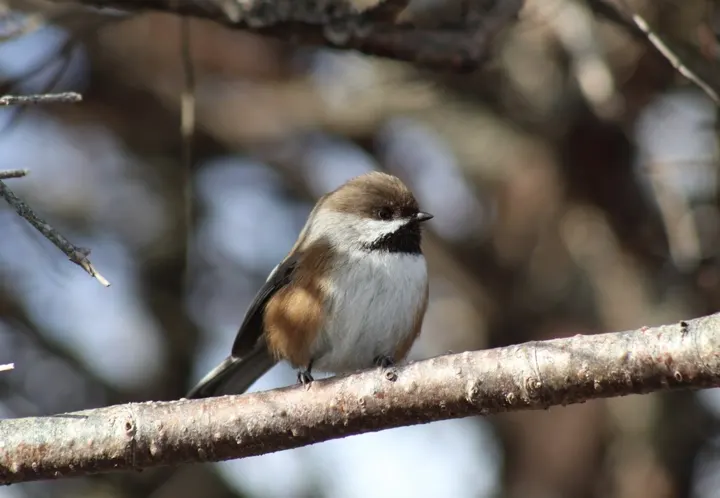
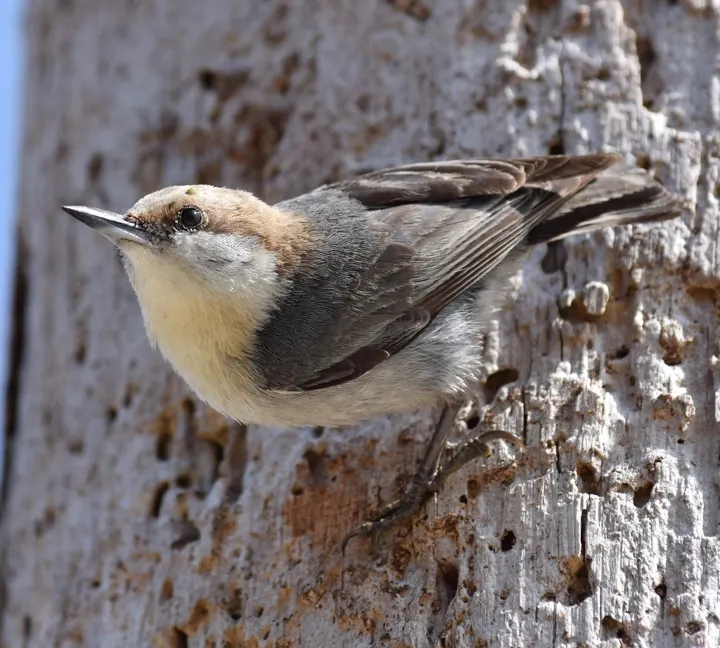
Feeder birds that Project FeederWatch lists for this food – shown here with a species guide where we have one.
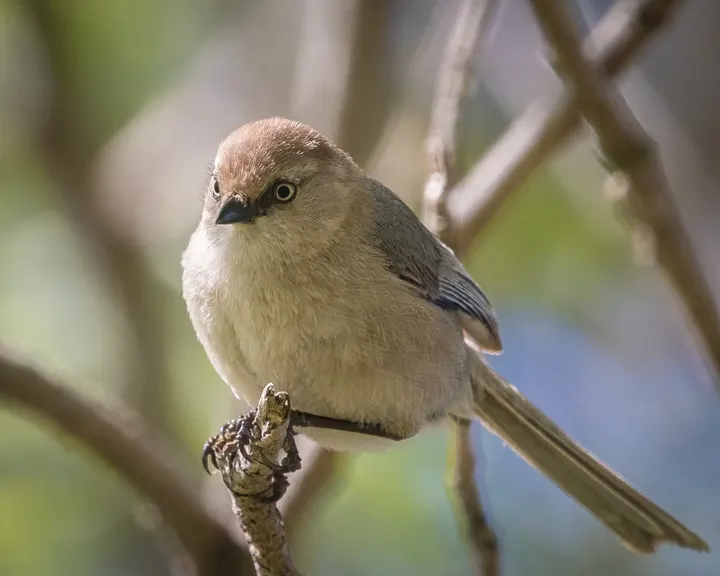
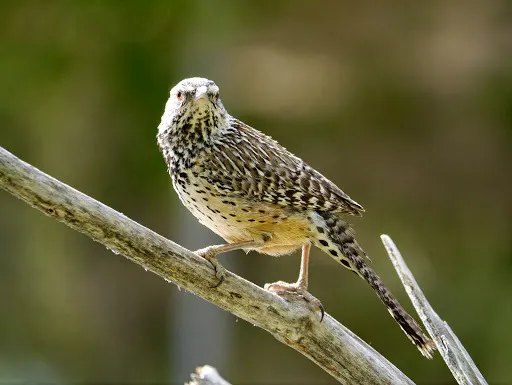
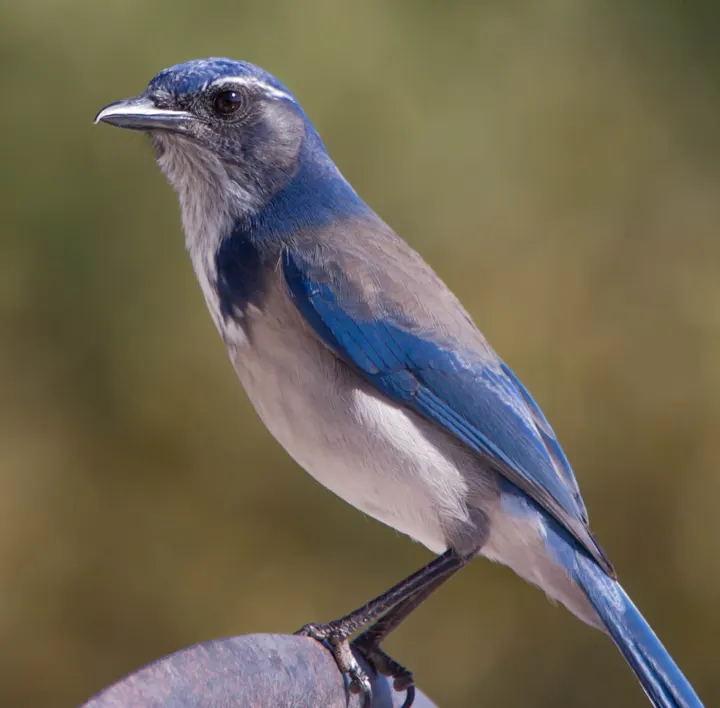
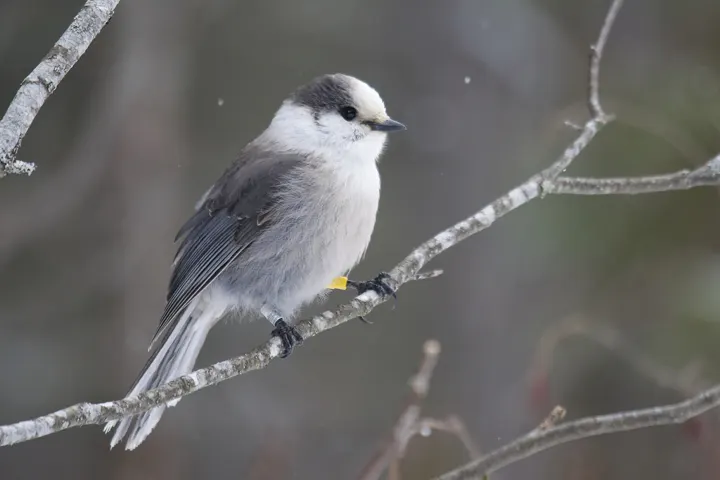
The essentials
What to know
- Mealworms are larvae of the darkling beetle (Tenebrio molitor), available live or dried; a high-protein treat for chickadees, titmice, wrens, nuthatches and bluebirds; offer in flat trays or special feeders. (Project FeederWatch)
- FeederWatch: one of the only foods that reliably attract bluebirds. (Project FeederWatch)
- NABS: mealworms are not complete nutrition and deplete calcium (weak bones in young, egg binding) – dust with calcium carbonate/citrate powder; offer limited amounts once or twice a day; ~100 worms morning and evening is more than adequate for a pair with nestlings. (NABS)
- NABS: bluebirds usually won't eat dead, black mealworms; some take dried ones, others only when food is scarce; rehydrating with a little water or vegetable oil may help. (NABS)
- NABS: mealworms alone rarely attract bluebirds to a yard that has none – other birds will eat them. (NABS)
- NABS: best feeder is a hopper with 1½ in or 1 9/16 in entry holes at each end to exclude larger birds; use smooth-sided dishes to stop escape. (NABS)
- Birds & Blooms: live mealworms are most appealing but cost more and need care; dried are cheap and convenient; soaking dried worms in lukewarm water makes them more appealing. (Birds & Blooms)
Choice
Live or dried?
- Keep dormant in the refrigerator in small containers with air holes; keep dark; wheat bran/oatmeal as food; add potato/apple/carrot for moisture about weekly (remove before refrigerating long-term). (NABS)
- Refrigeration slows metabolism for a few weeks up to several months. (NABS)
- Maintenance-free and longer lasting; bluebirds may ignore them unless food is scarce. (NABS)
Season
When to feed it
What to buy
Mealworms for birds to buy
Shop links may earn us a commission. The price stays the same for you. Prices as seen on 30 Sep 2026; Amazon prices are not shown.
Questions
Mealworms for birds: questions
Are dried or live mealworms better?
Live mealworms are taken far more readily, especially by bluebirds. Dried ones keep easily; soaking them in water makes them more attractive.
How many mealworms should I feed?
A small daily portion. Mealworms are low in calcium, so they should never become the main diet.
Which birds eat mealworms?
Bluebirds, wrens, robins, chickadees, titmice, nuthatches and catbirds among others; Project FeederWatch lists 37 of 98 common feeder birds.
More bird food