Bird food
What to feed birds in winter
In cold weather birds need fat and energy. Sunflower seed, suet and peanuts cover most feeder birds; water helps as much as food.
- 47 of 98common feeder birds eat it (Project FeederWatch)
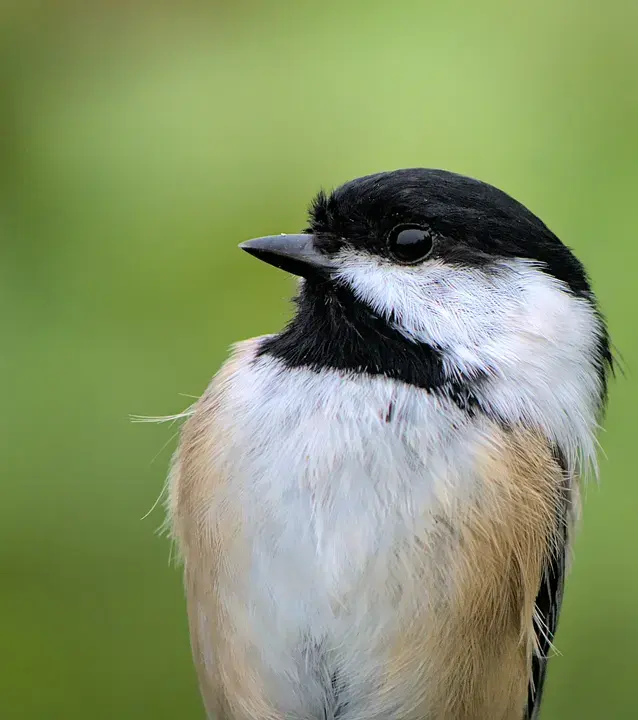
Who eats it
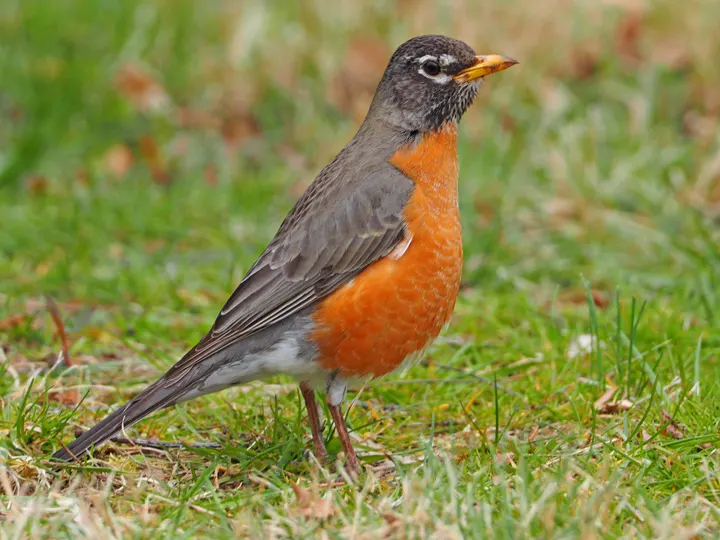
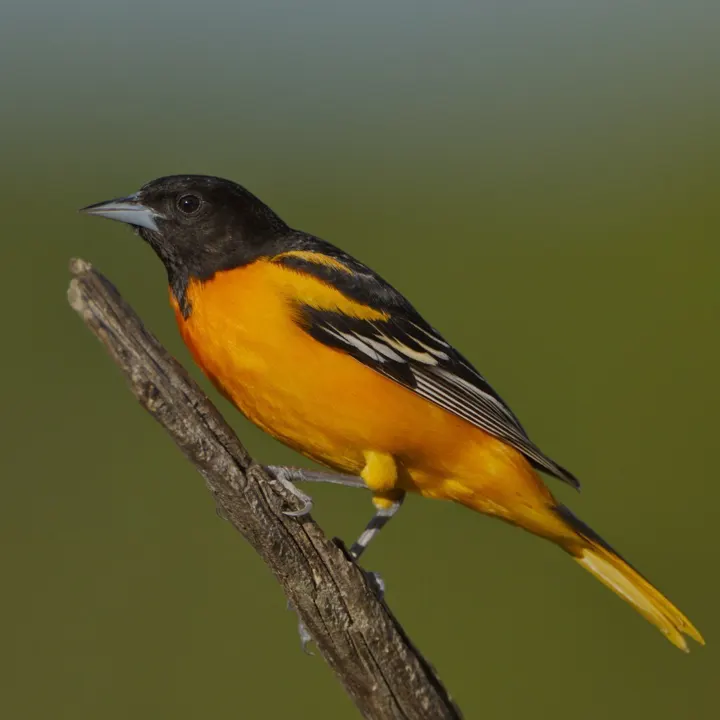
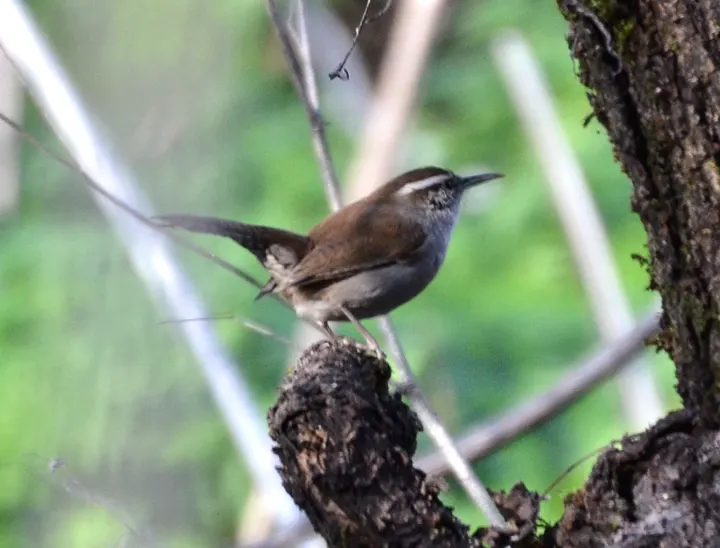
Which birds eat what to feed birds in winter?
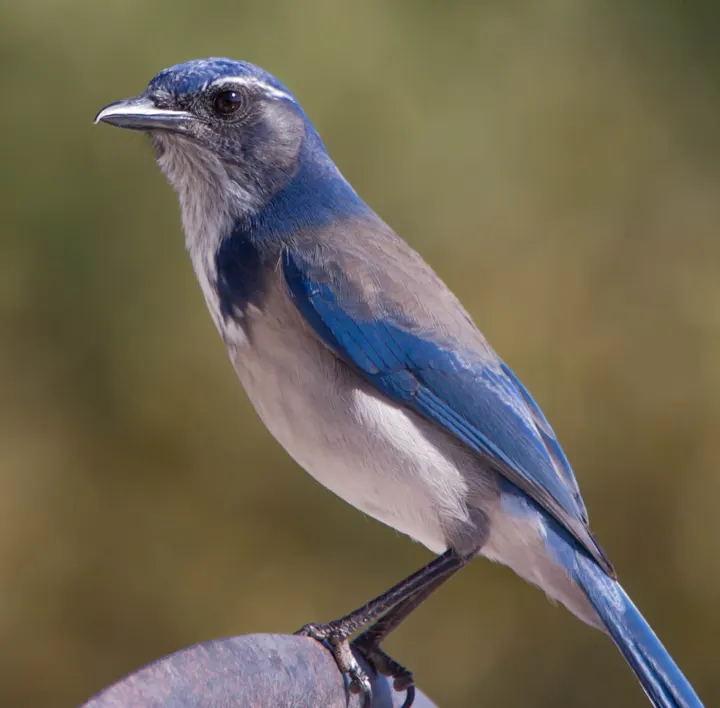
Feeder birds that Project FeederWatch lists for this food – shown here with a species guide where we have one.
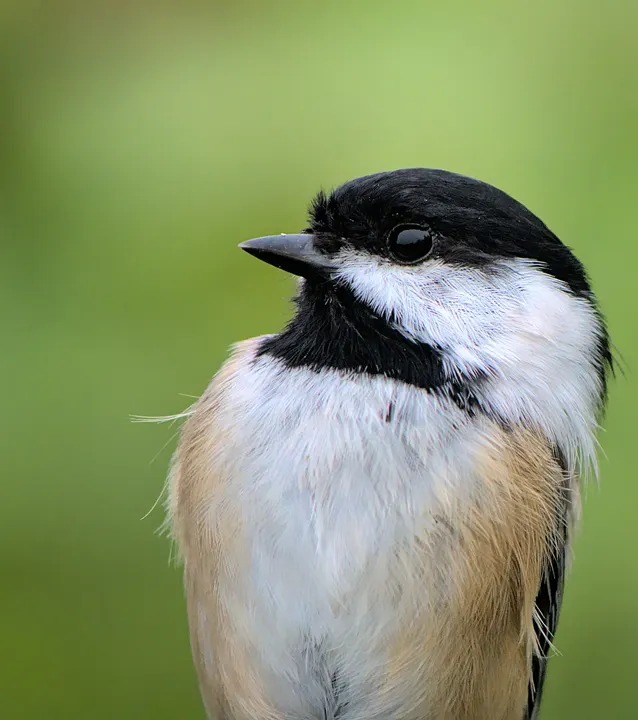
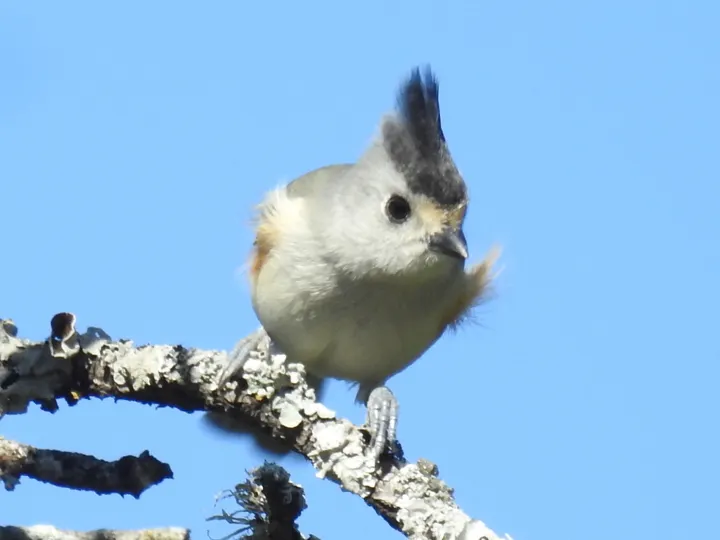
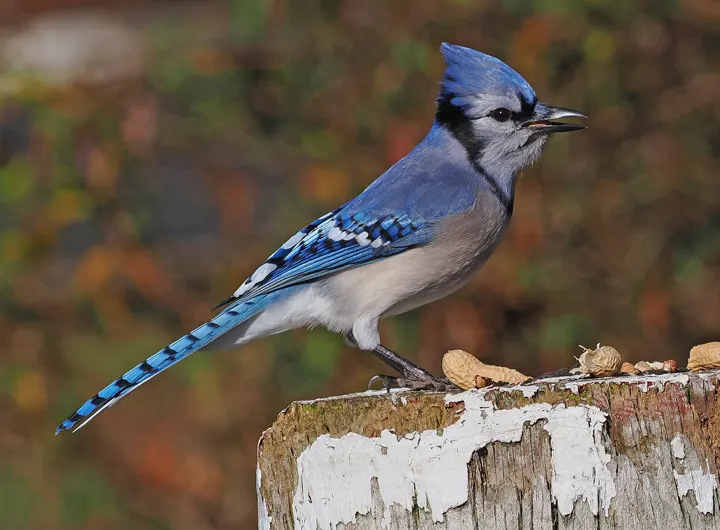
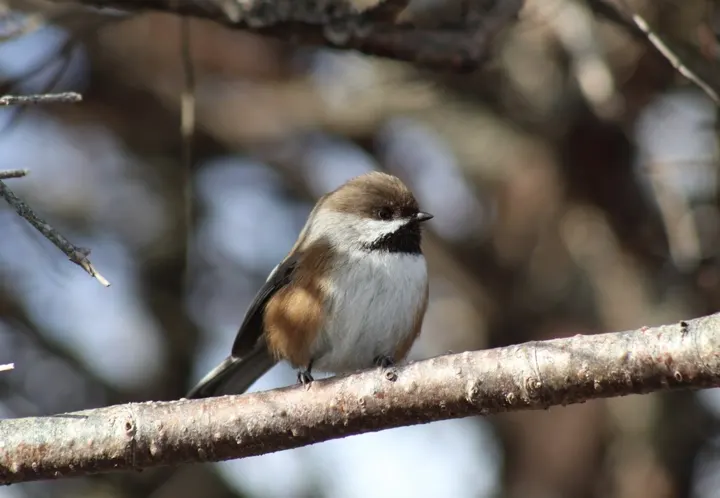
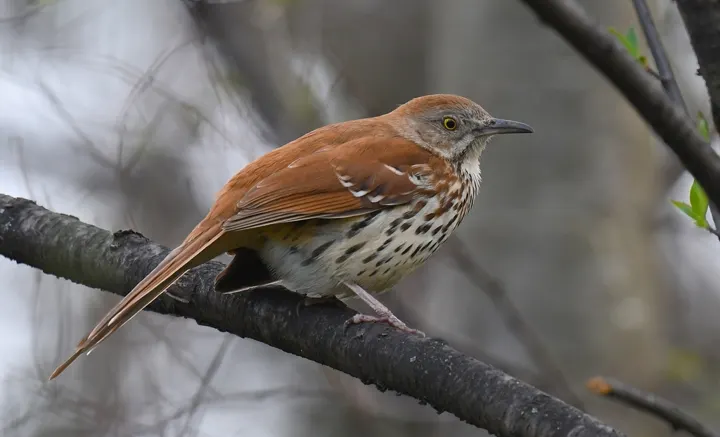
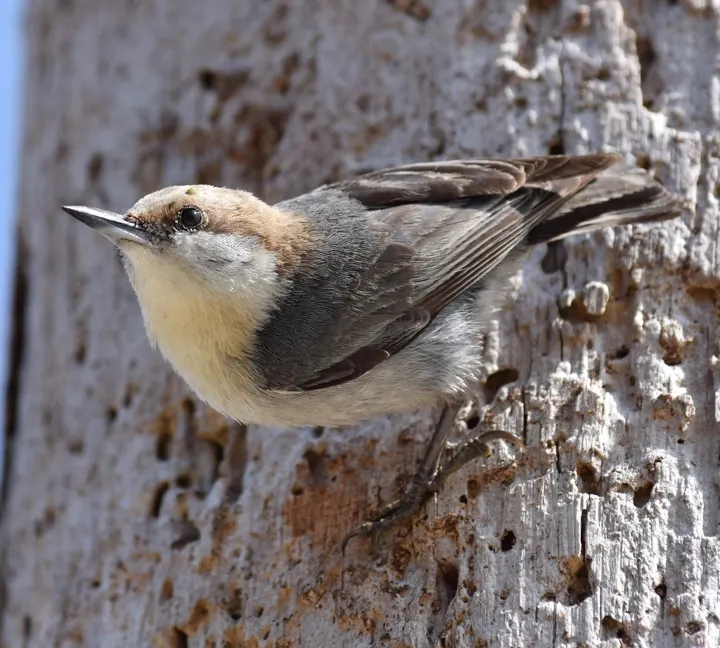
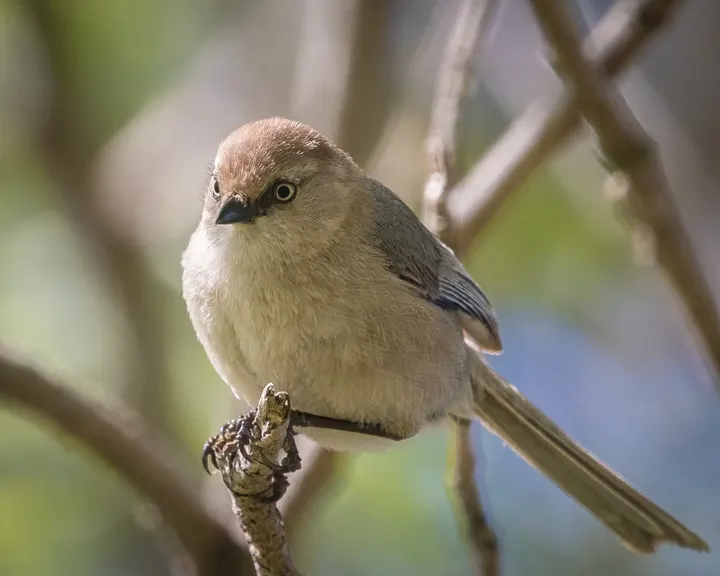
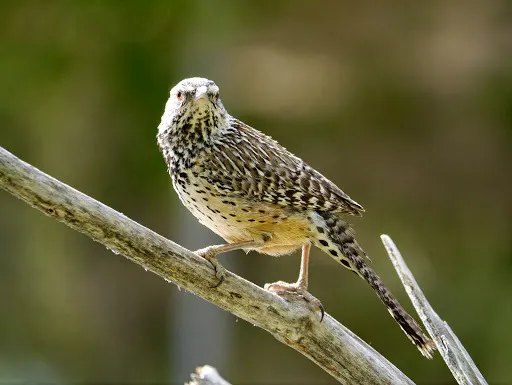
The essentials
What to know
- Energy-rich foods – sunflower seed, suet, nyjer, peanuts (and sugar water where hummingbirds overwinter) – are invaluable in winter. (Project FeederWatch)
- Feeders benefit birds most in winter when natural food supplies are scarce. (Audubon)
- NWF winter mix: black oil sunflower, hulled peanuts, nyjer and white millet. (National Wildlife Federation)
- Suet supplies about 9 calories per gram vs 4 for carbohydrates/protein; appeals to woodpeckers and insect-eaters. (National Wildlife Federation)
- Penn State: black-oil sunflower is the top all-round winter seed; also white proso millet, nyjer, peanuts; suet for woodpeckers, chickadees, nuthatches, titmice. (Penn State Extension)
- Suet attracts woodpeckers, wrens, chickadees, nuthatches, titmice; place at least 5 ft off the ground; 'no melt' cakes exist for warmer weather. (Audubon)
- Snow-covered ground pushes sparrows and juncos to feeders; stamp down snow under feeders for ground feeders. (Audubon)
- Birds need water in winter; change daily; stones/branches in the bath let birds drink without getting wet. (Project FeederWatch)
- Penn State: shallow basin max 3 in deep; heating keeps it ice-free and especially attractive in cold months. (Penn State Extension)
- Feeders only supplement natural food – most species won't suffer if feeders go empty for days or even weeks. (Audubon)
- NWF: be consistent through winter; use larger-capacity or multiple feeders in severe weather; place feeders 10–12 ft from shrubs (cats). (National Wildlife Federation)
- Window strikes: feeders under 3 ft or over 30 ft from windows (Audubon); Illinois Extension says within 3 ft or 10+ ft. (Audubon)
Storage
Storage and freshness
- Don't keep seed from one winter to the next; store cool, dry, rodent-proof. (Audubon)
Mistakes
Common mistakes
- Raw suet in warm spells – can go rancid unless specially processed. (Project FeederWatch)
- Cheap filler mixes (milo, wheat, oats). (Penn State Extension)
- Forgetting water. (National Wildlife Federation)
UK
In the UK
- UK: full range (seeds, peanuts, protein foods) 1 Nov–30 Apr; March–April 'hungry gap'. (RSPB)
What to buy
What to feed birds in winter to buy
Shop links may earn us a commission. The price stays the same for you. Prices as seen on 30 Sep 2026; Amazon prices are not shown.
Questions
What to feed birds in winter: questions
What is the best food for birds in winter?
Black oil sunflower seed and suet. Add peanuts, nyjer for finches and millet on a tray for juncos and sparrows.
Should I feed birds all winter?
Yes – once you start, keep feeding through cold snaps, when natural food is hardest to find.
Can I feed suet in winter?
Winter is the best time for suet. In warm spells use no-melt suet, because raw suet can go rancid.
More bird food